Machine-readable canon: assets/canon/story_os/characters/simon.story.json
Custodian Id: simon
Character Name: Simón Vargas
Personifies: The Venezuelan Bolívar
Version: 1.0
Canon Status:
State: locked
Locked Facts:
Custodians never age; Simón is fixed at one canonical appearance forever. · Simón personifies the Venezuelan Bolívar and rides his line from 1879 to today. · He is one of the beings who do not age, cannot leave, and remember everything. · His line runs beneath 'The Underground of Civilization'; his stations are real historical events. · There is always one more chair than there are players at any trade; he has never once sat in it. · He entered the world named for a Liberator, and has outlived nearly every promise made in that name.
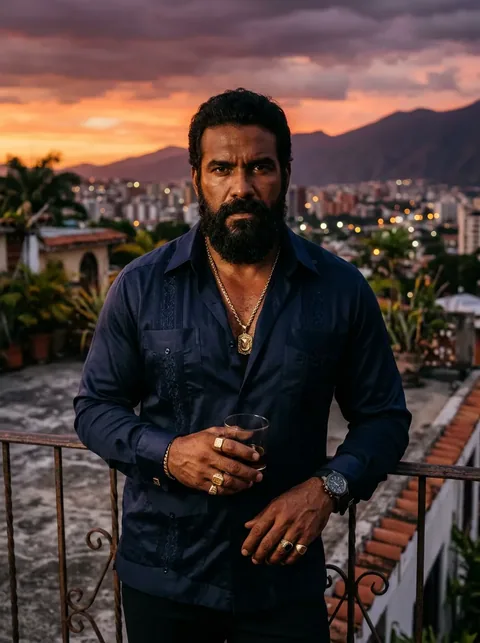
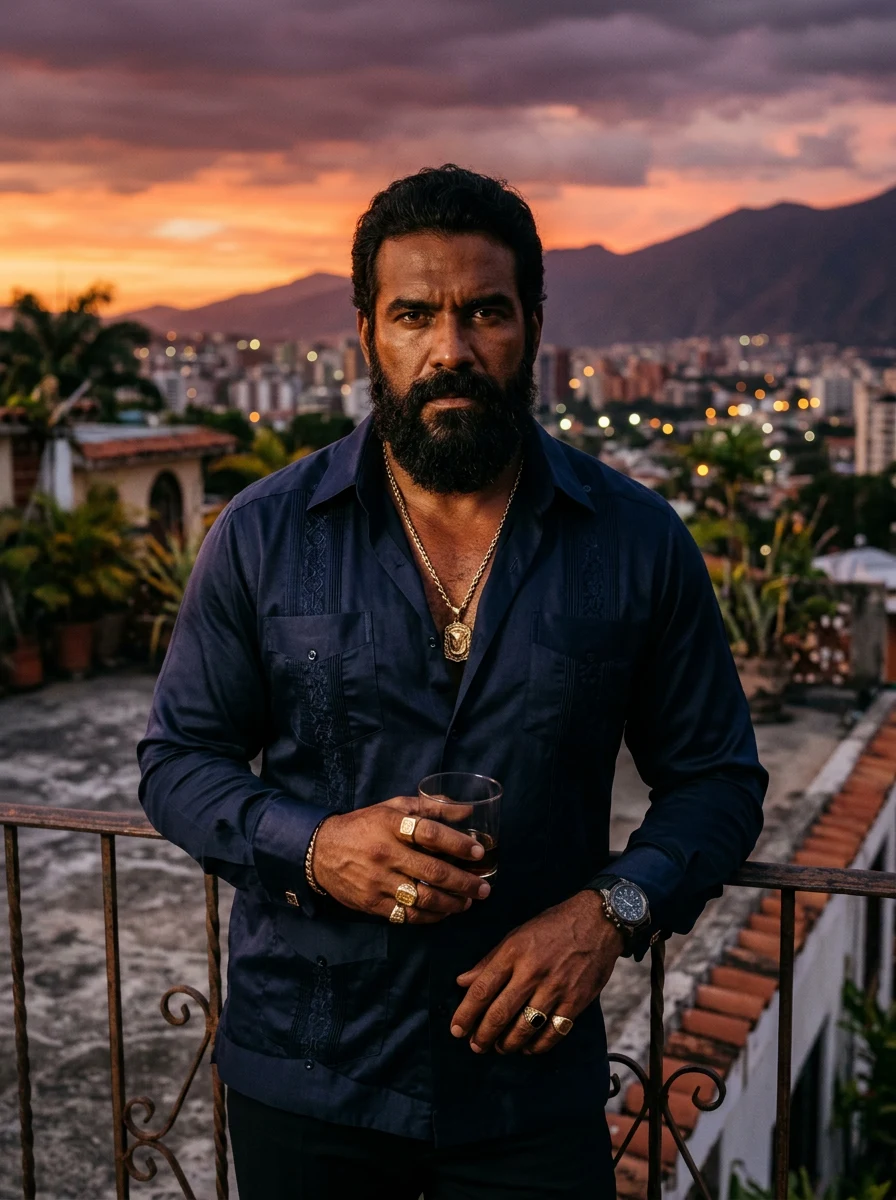
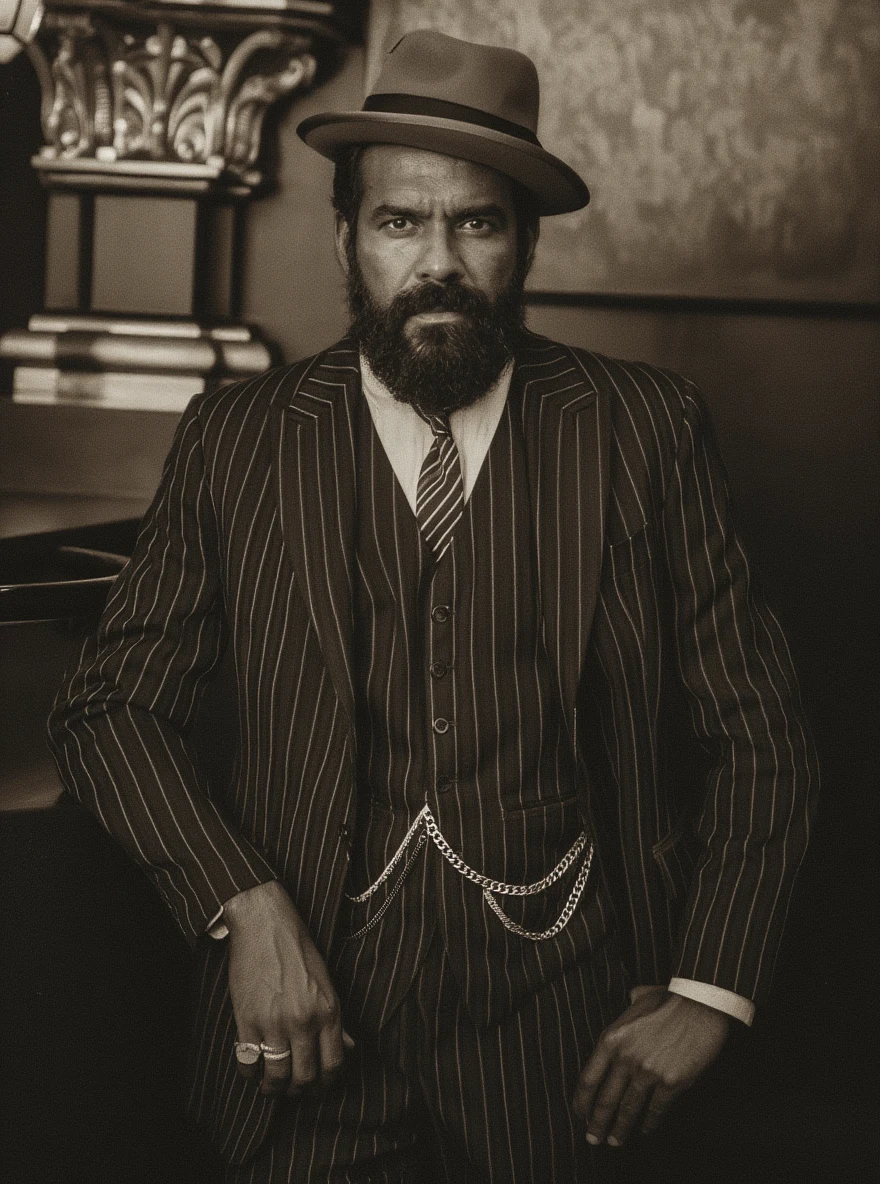
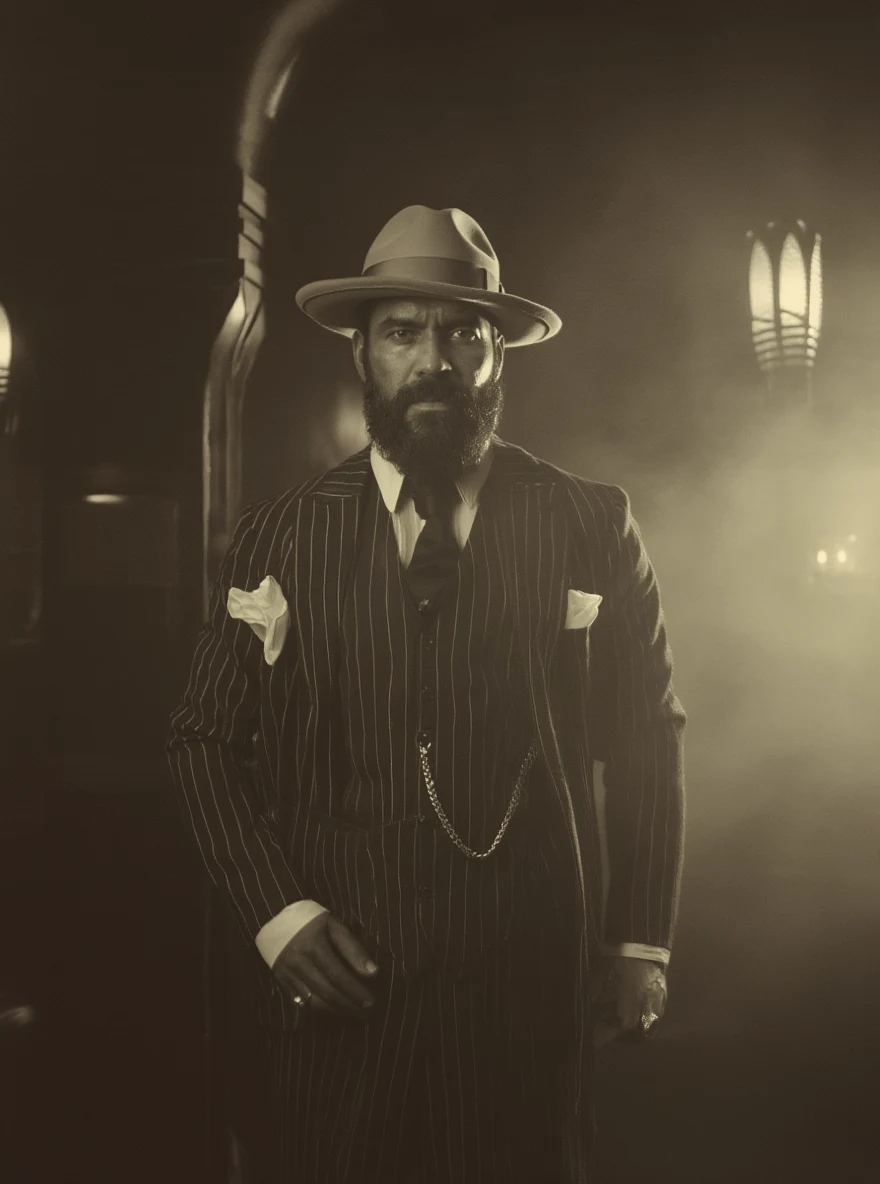
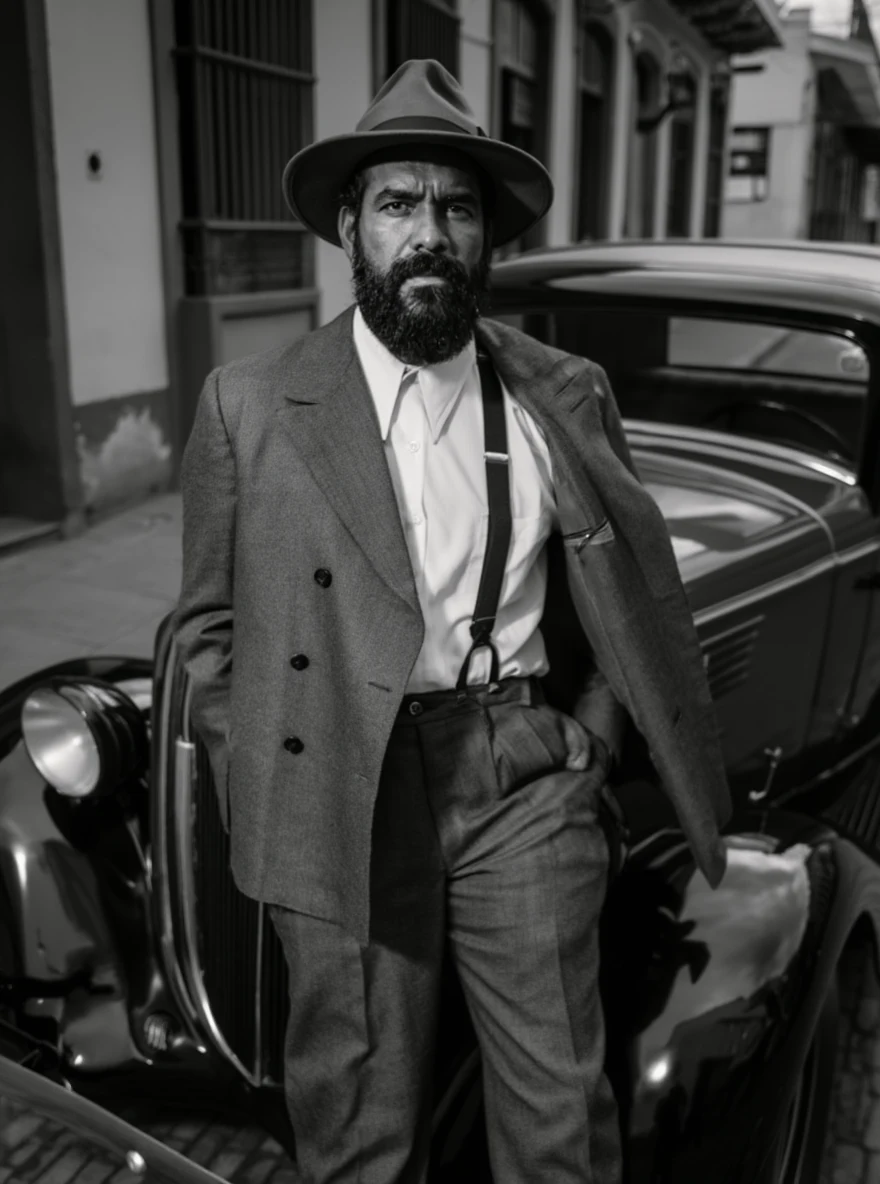
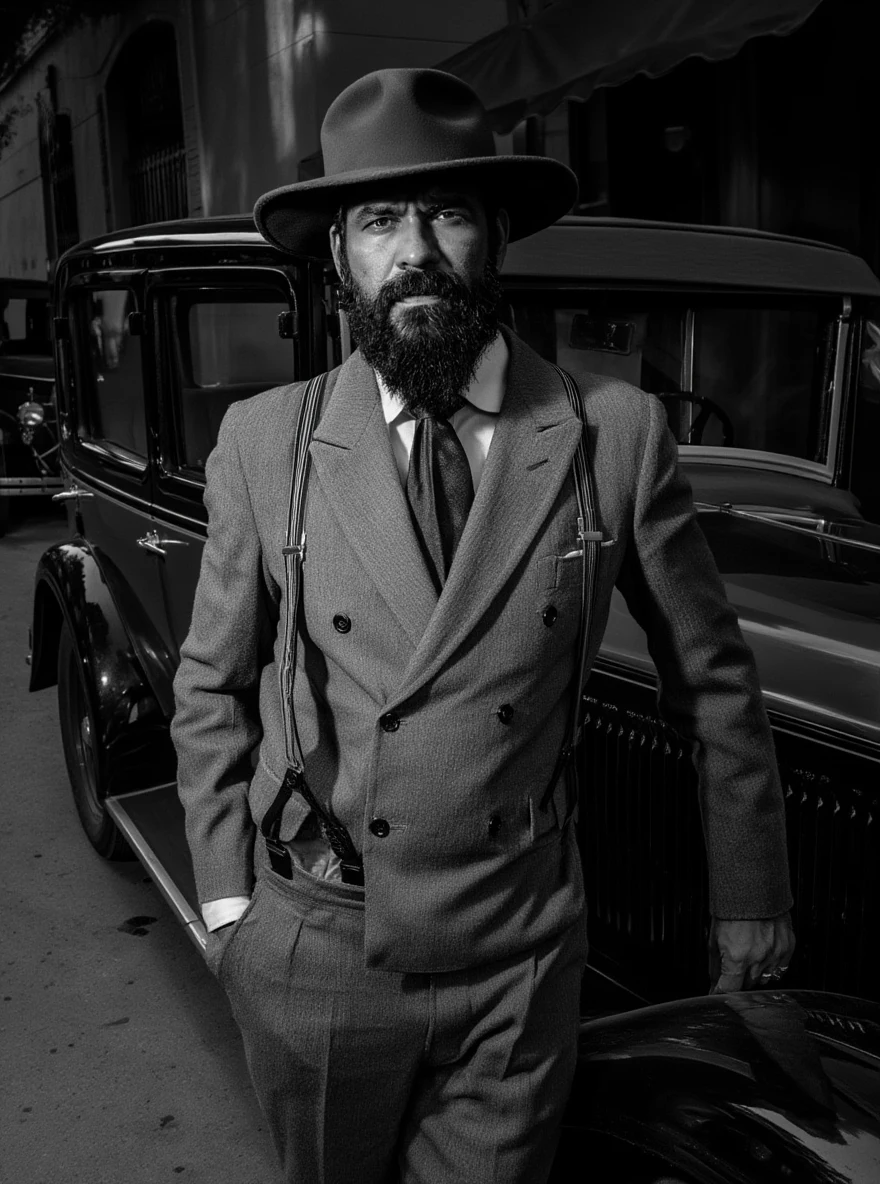
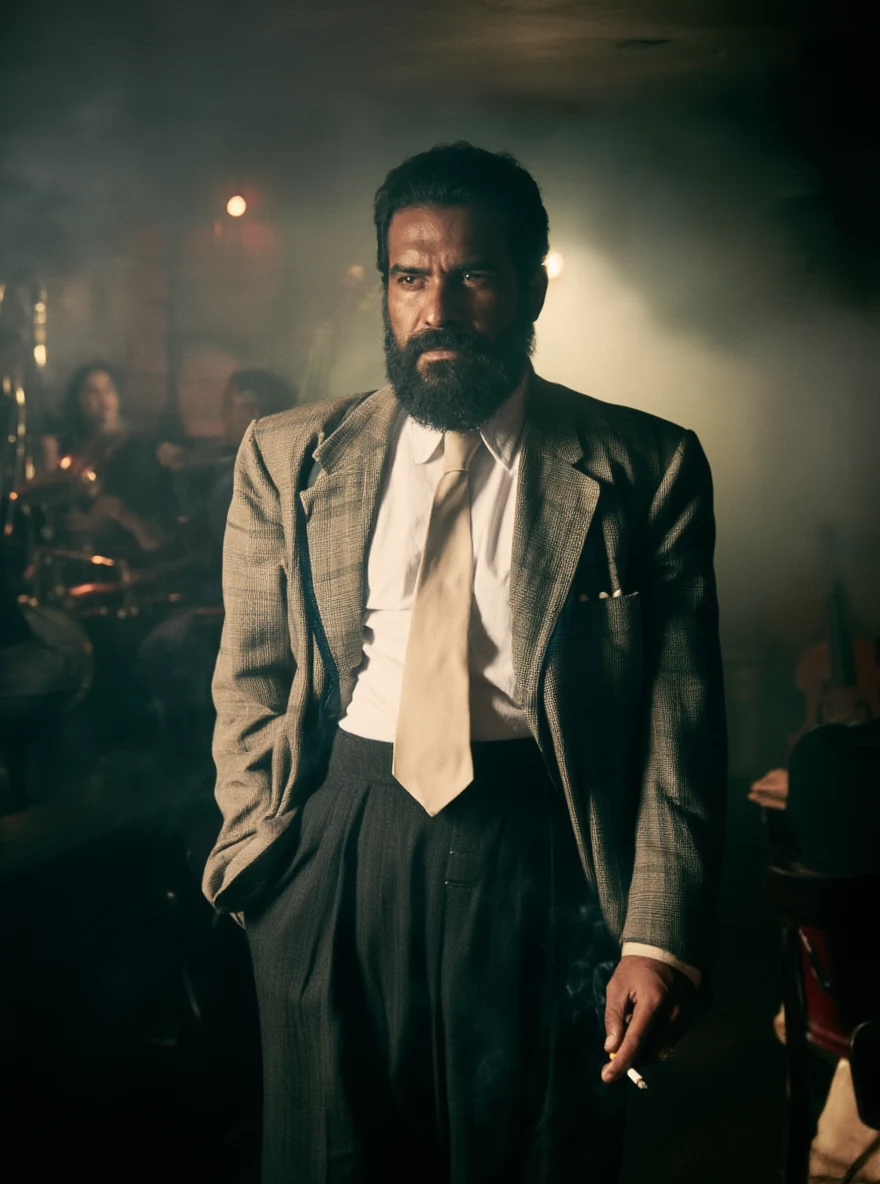
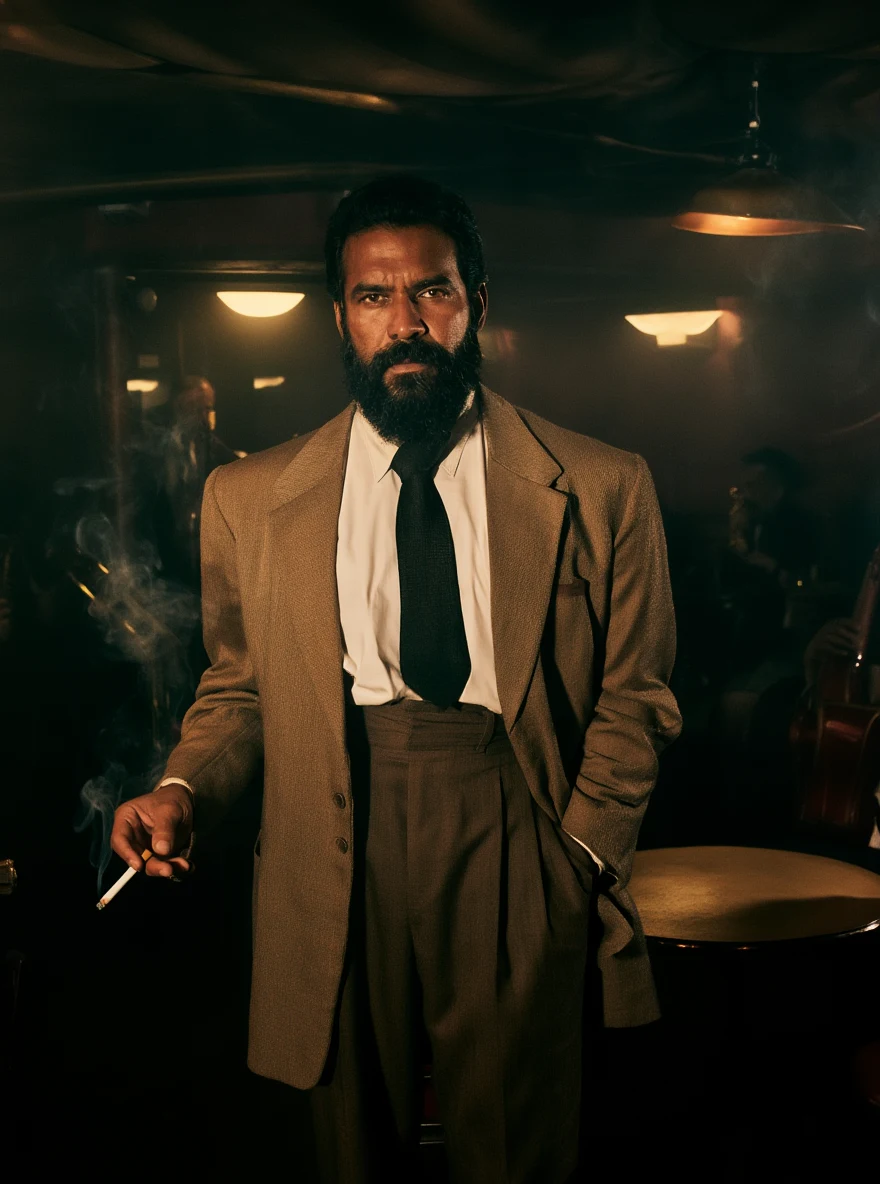
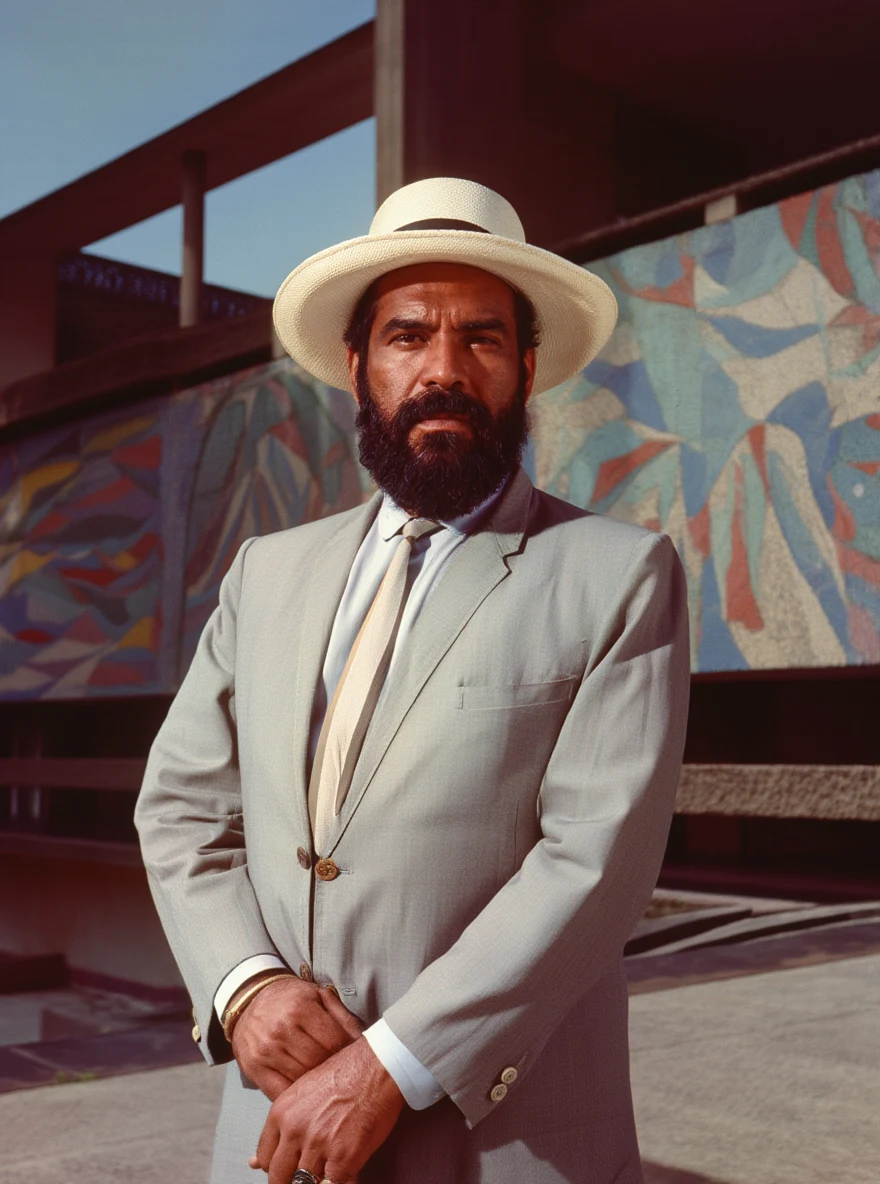
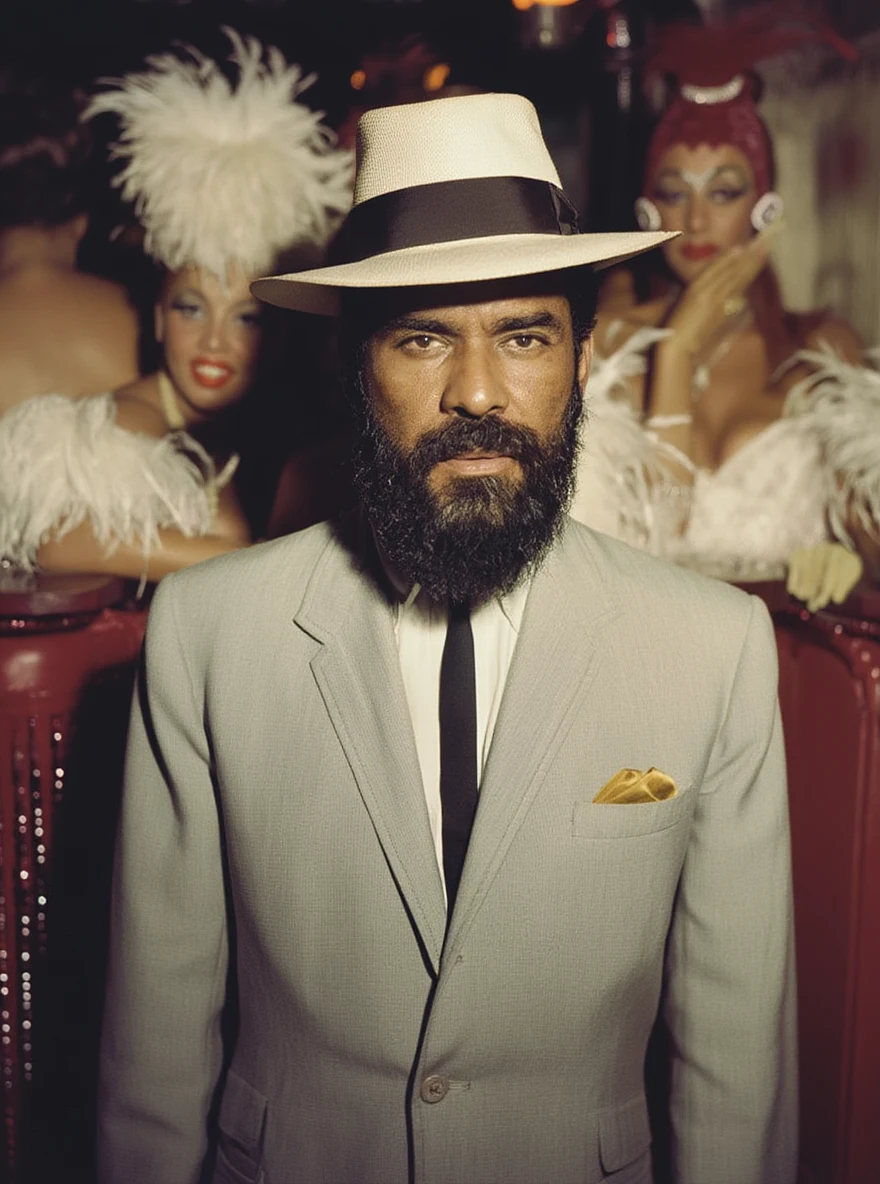
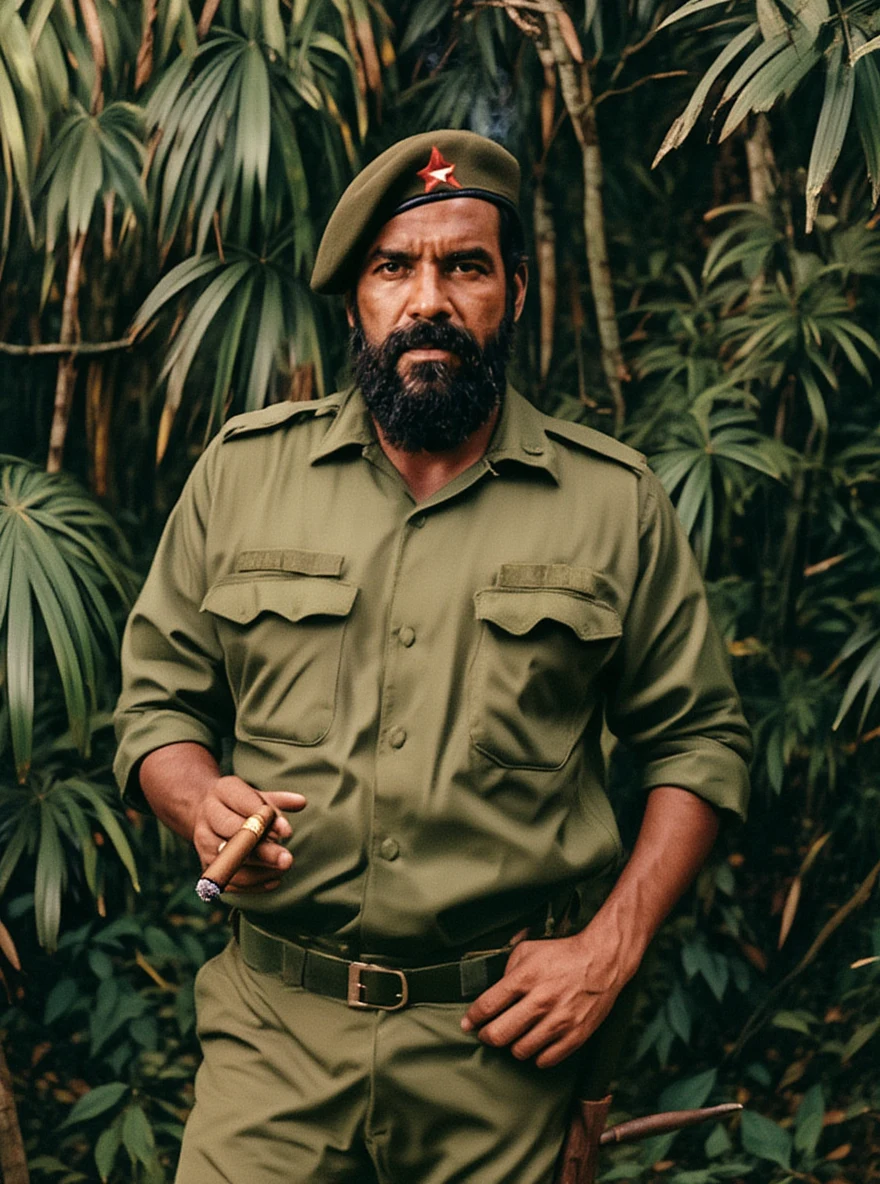
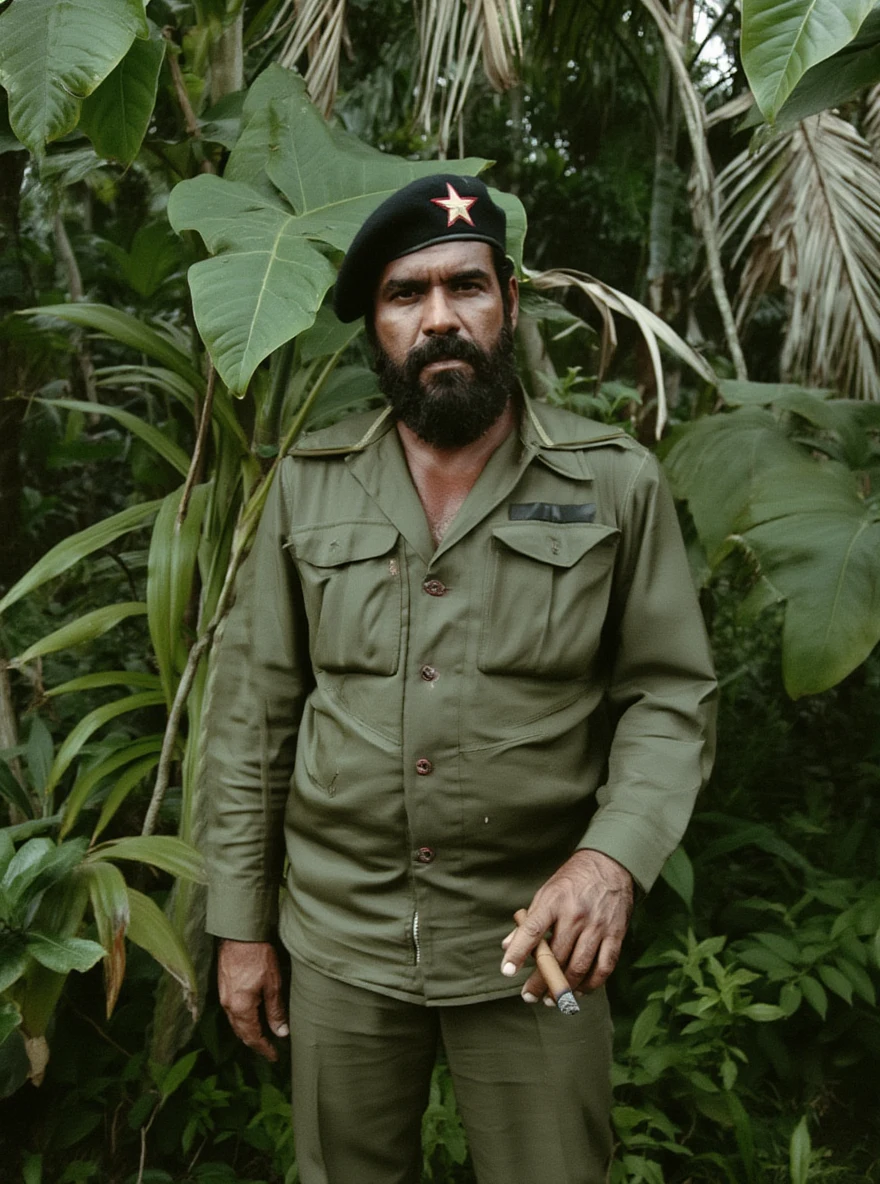
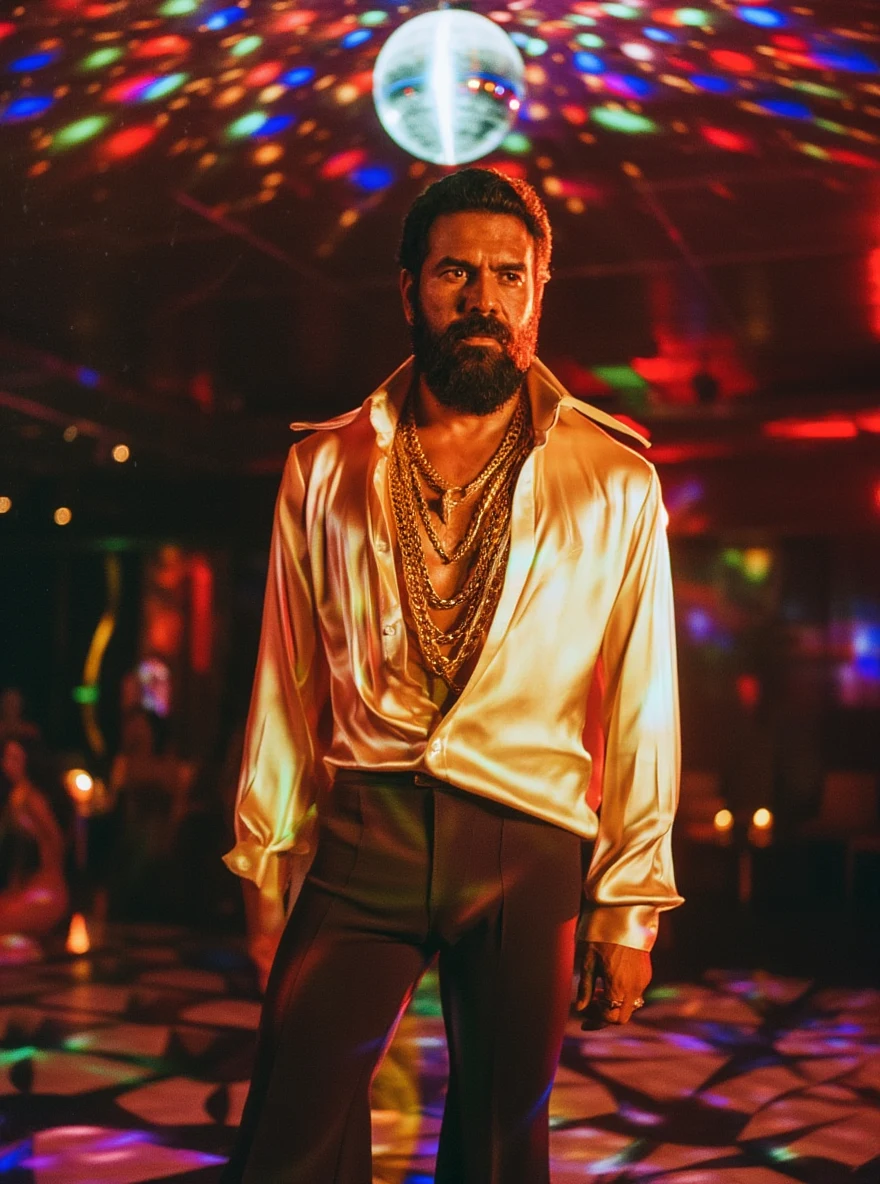
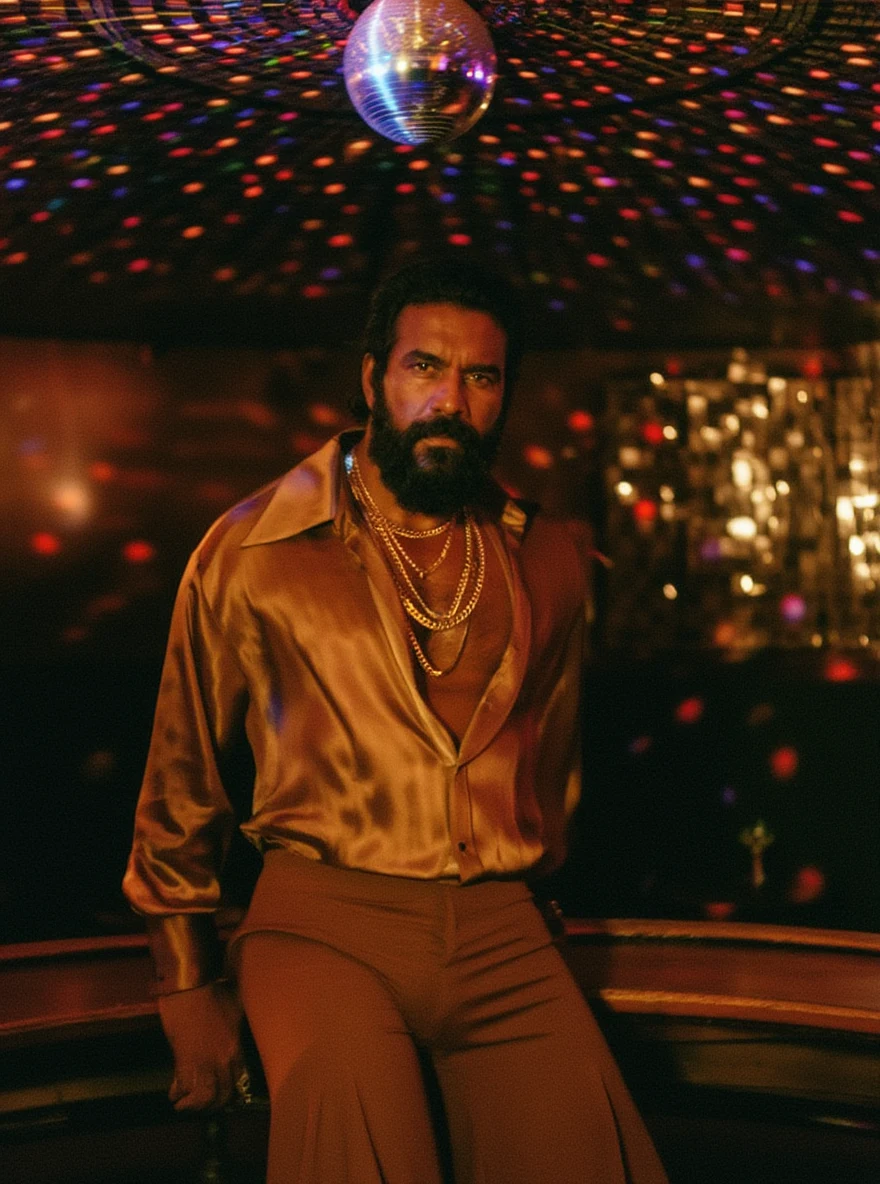
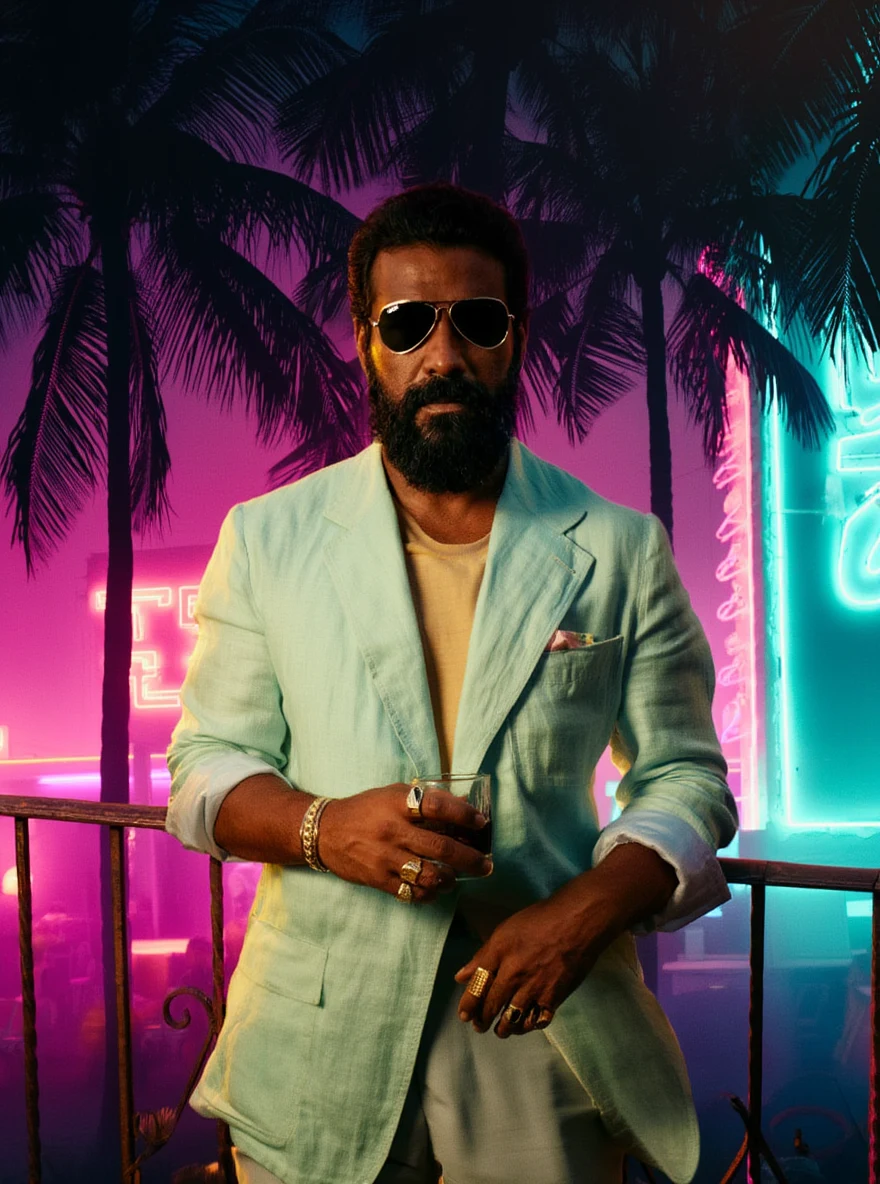
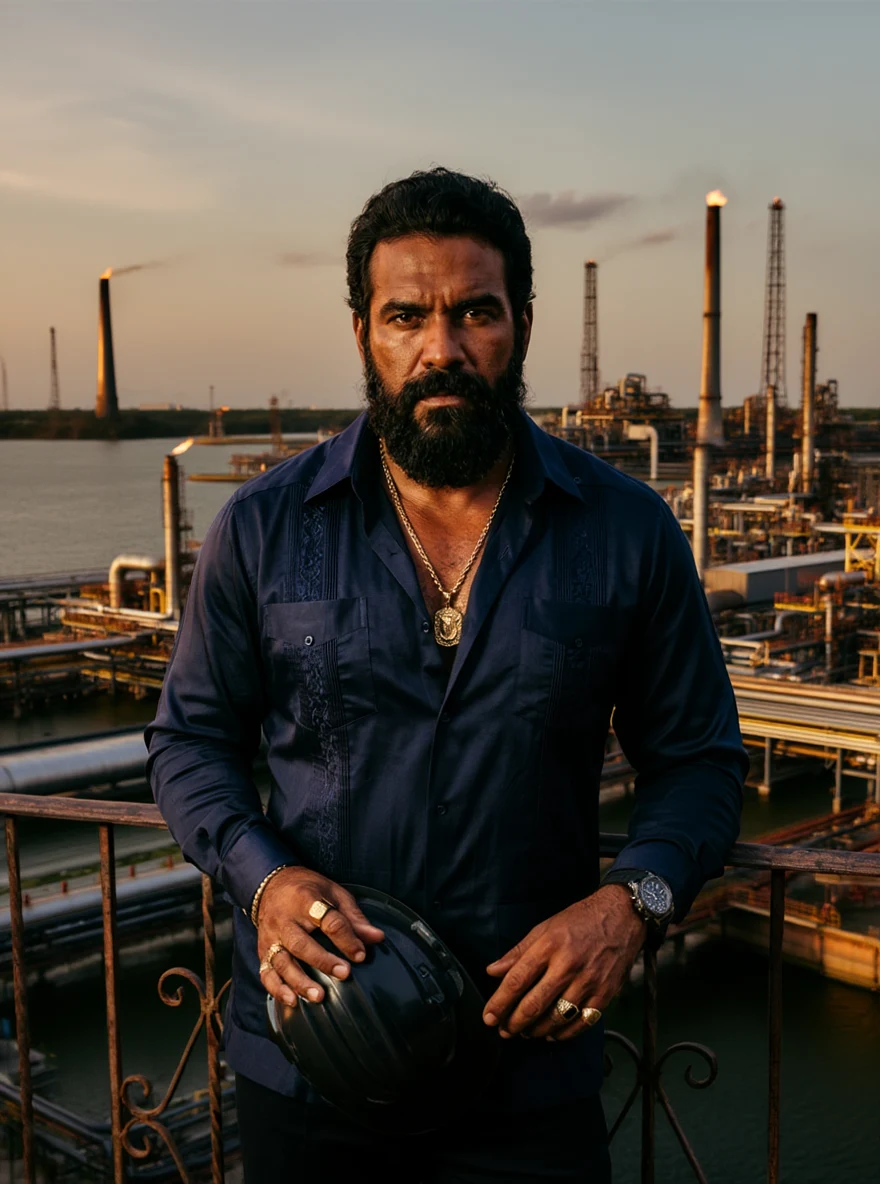
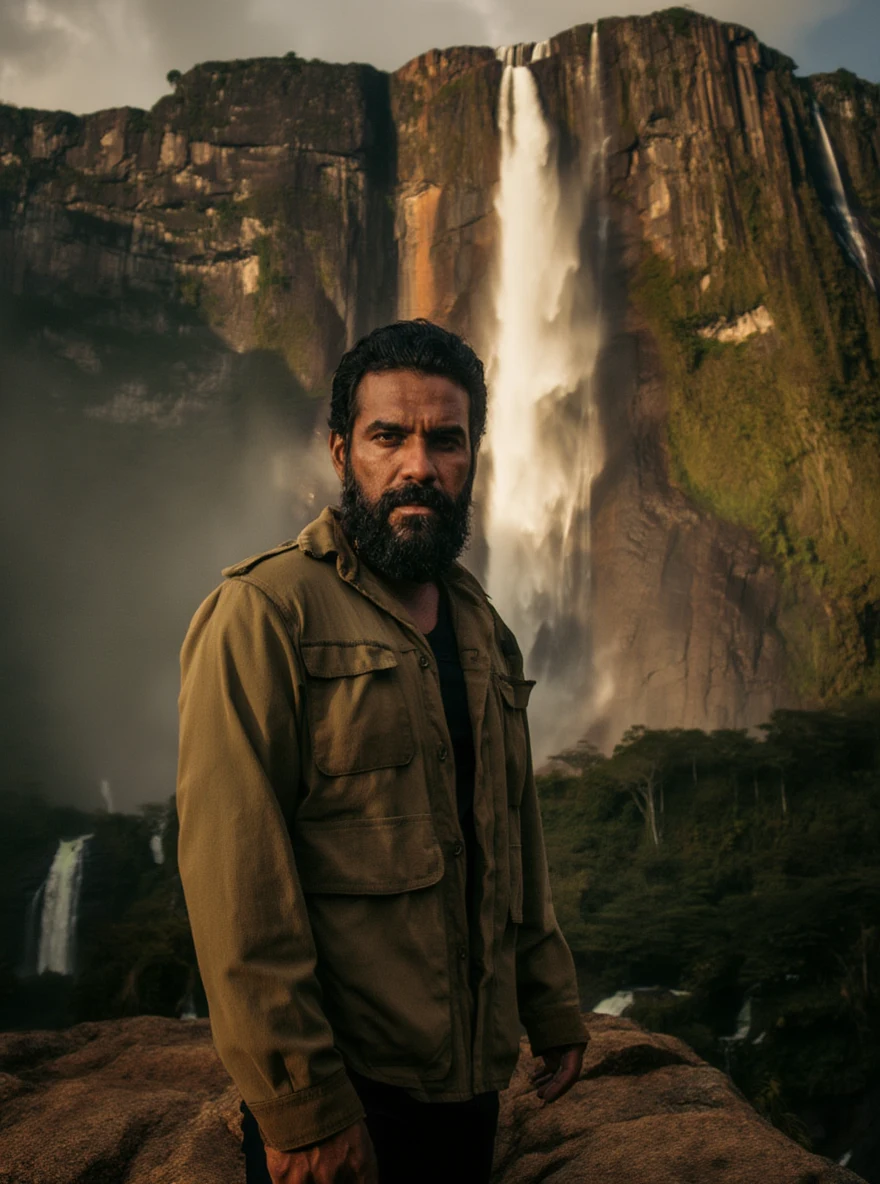
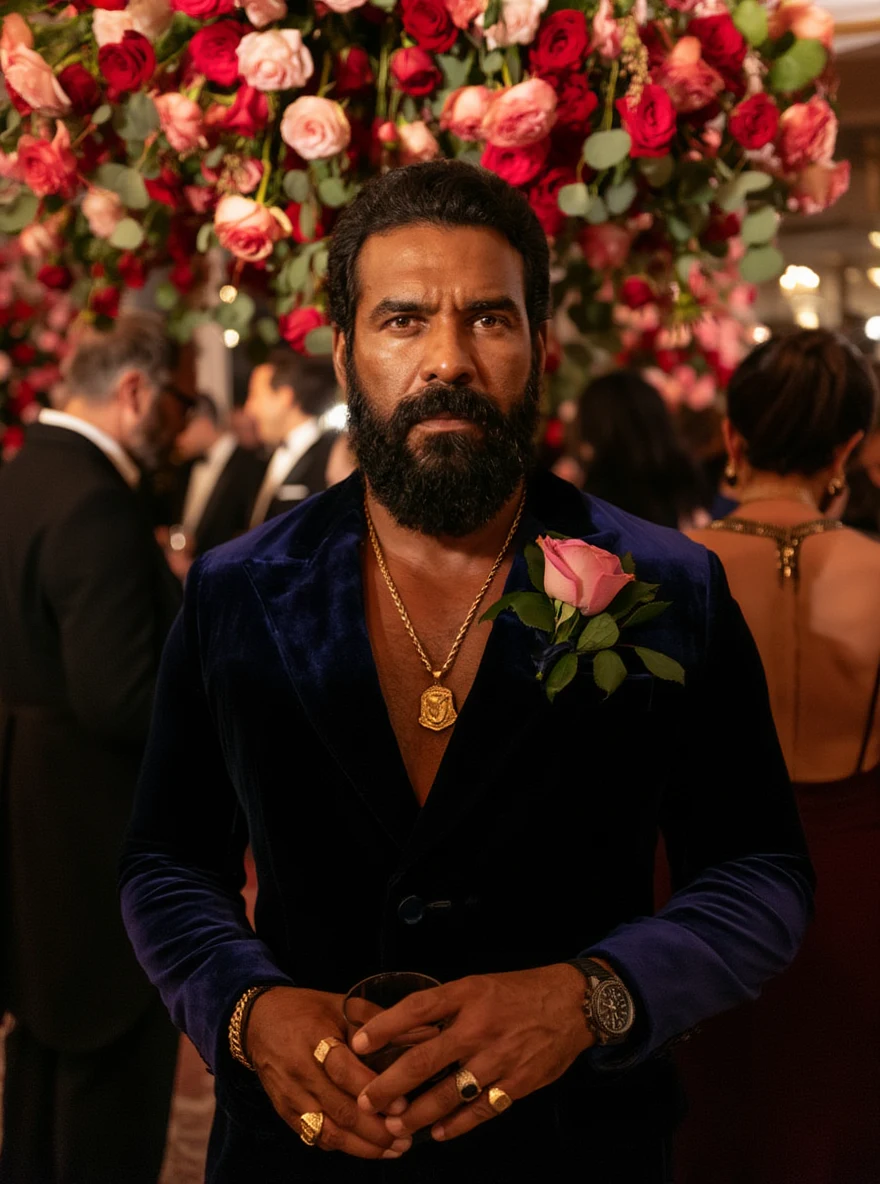
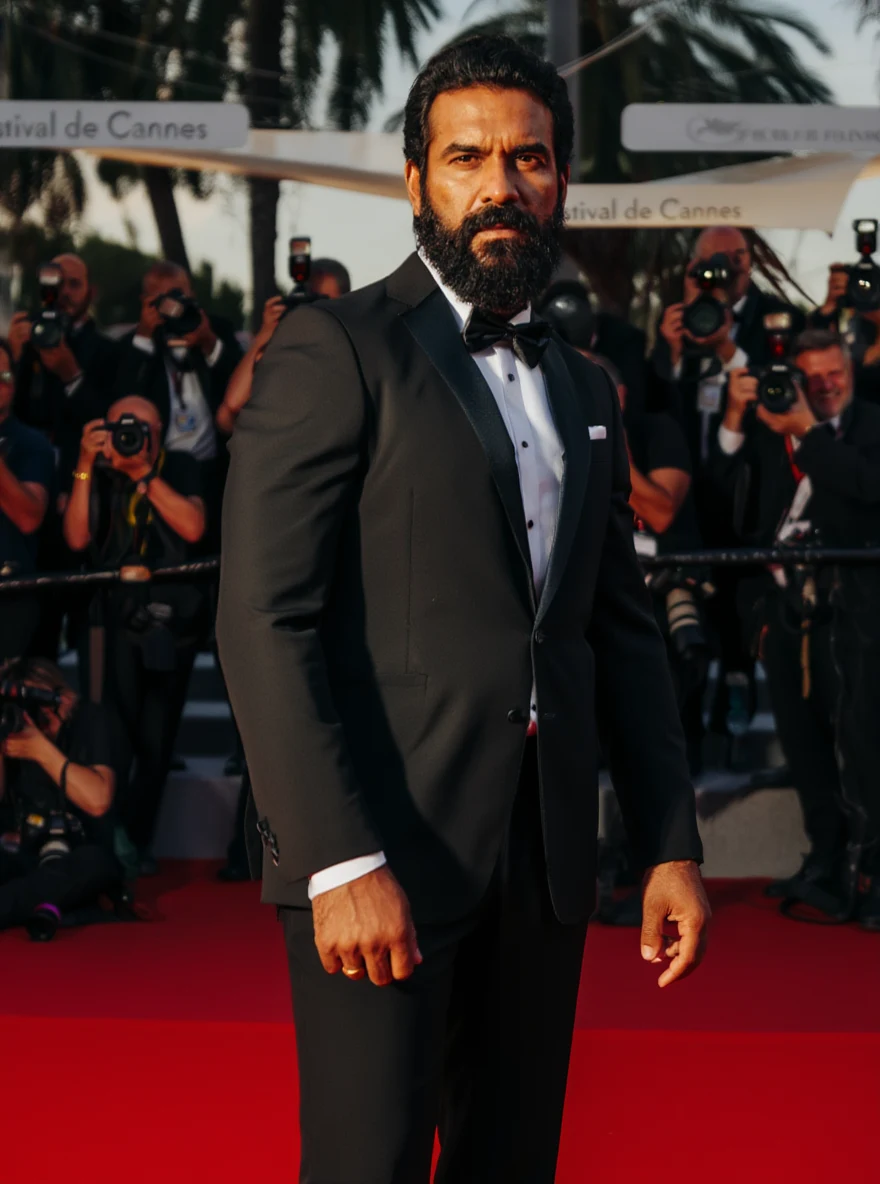
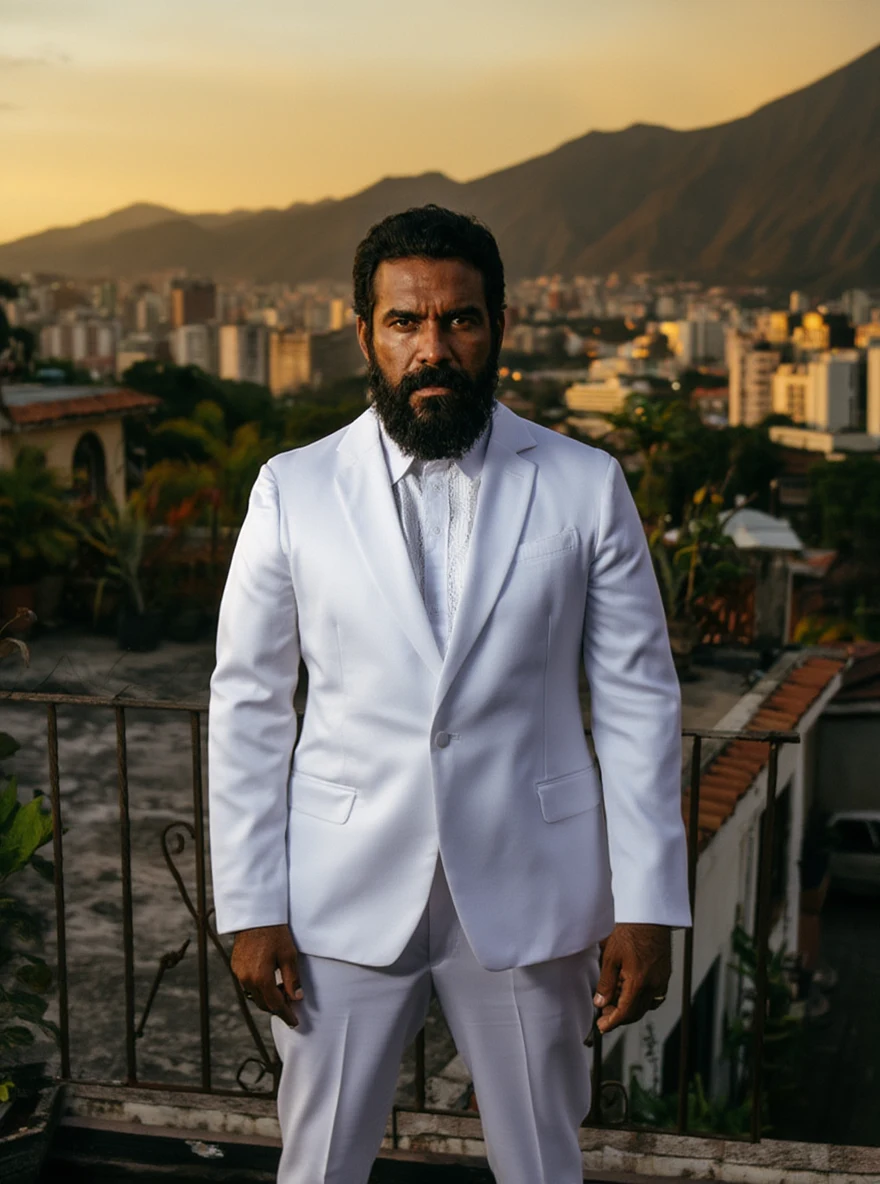
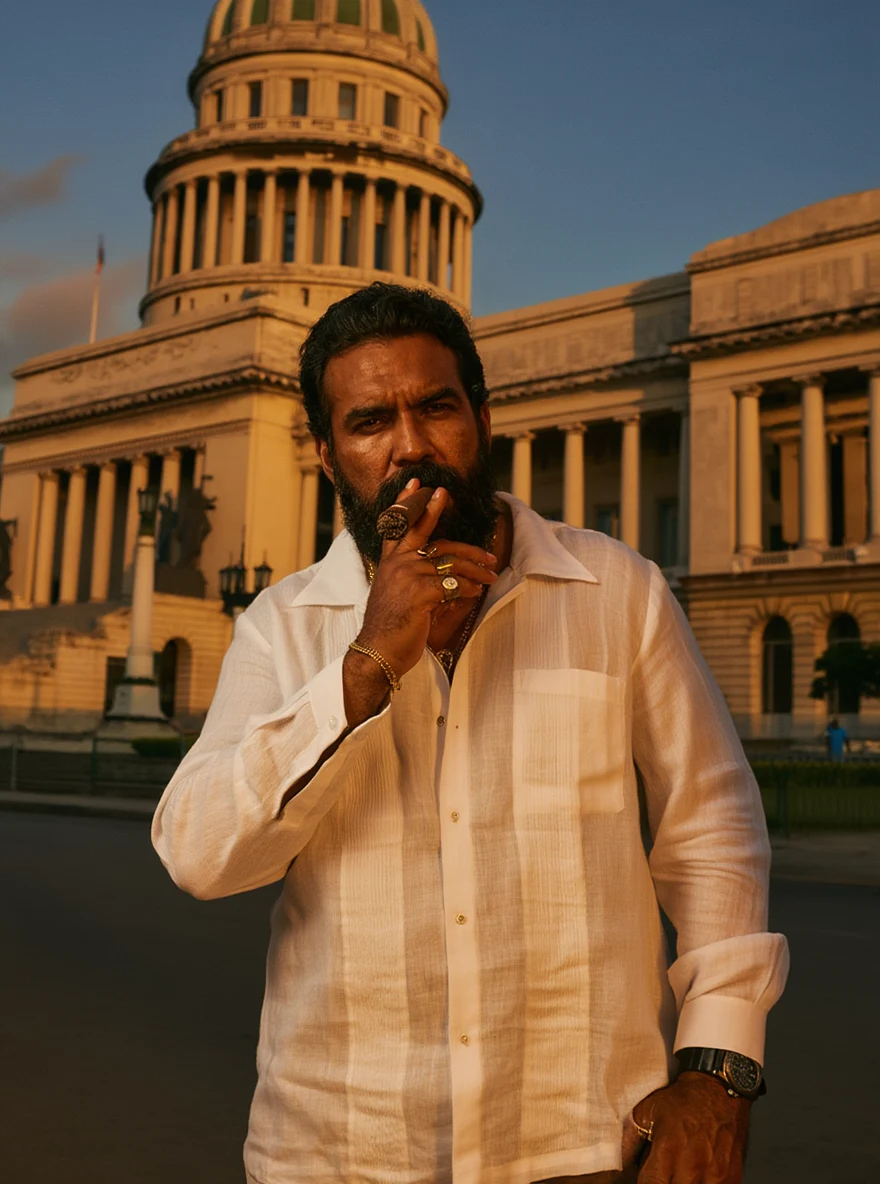
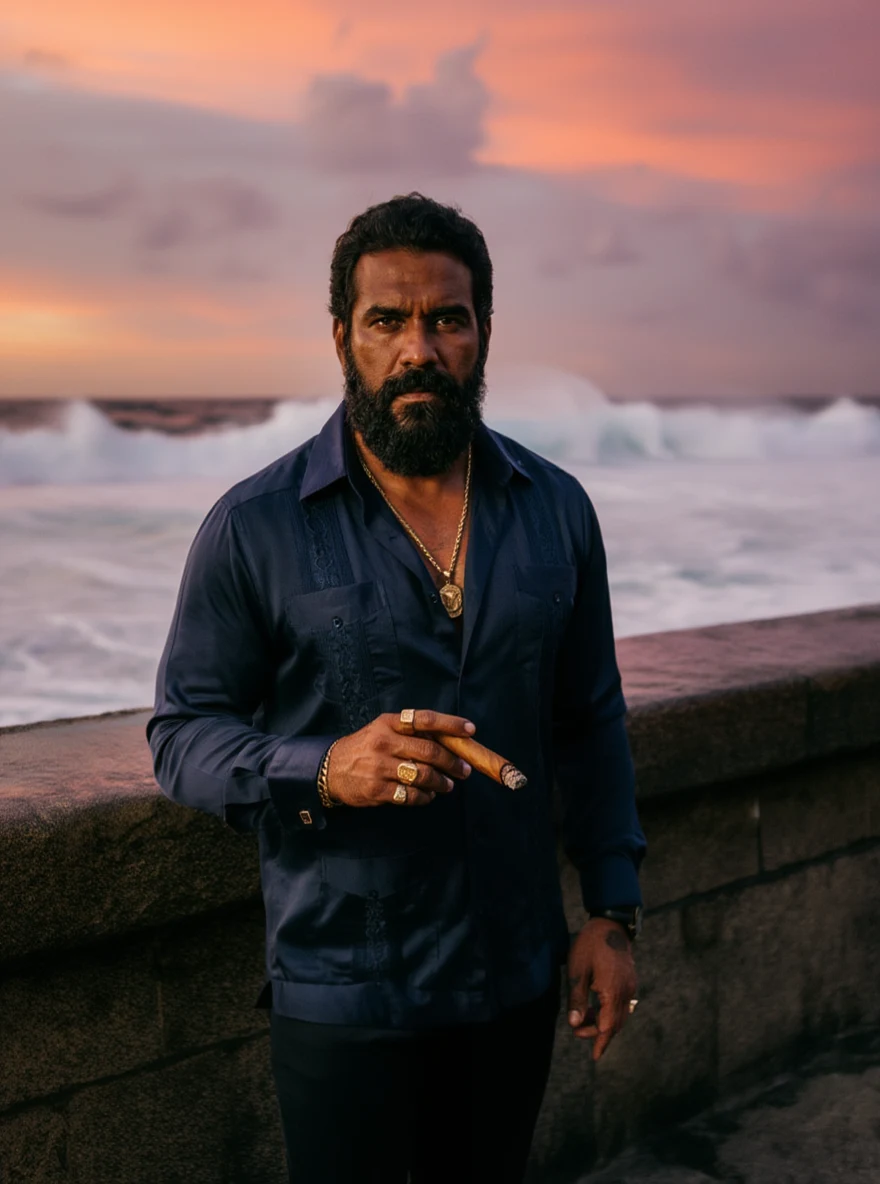
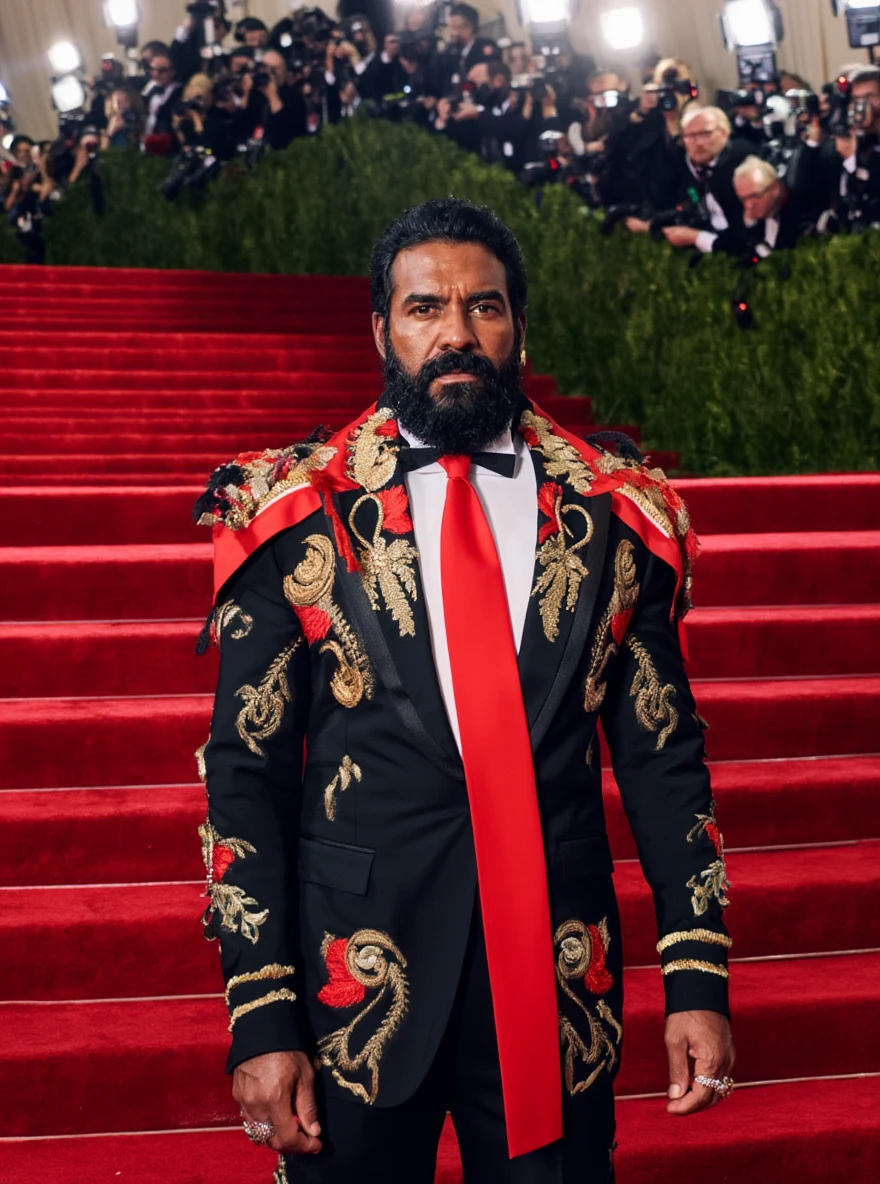
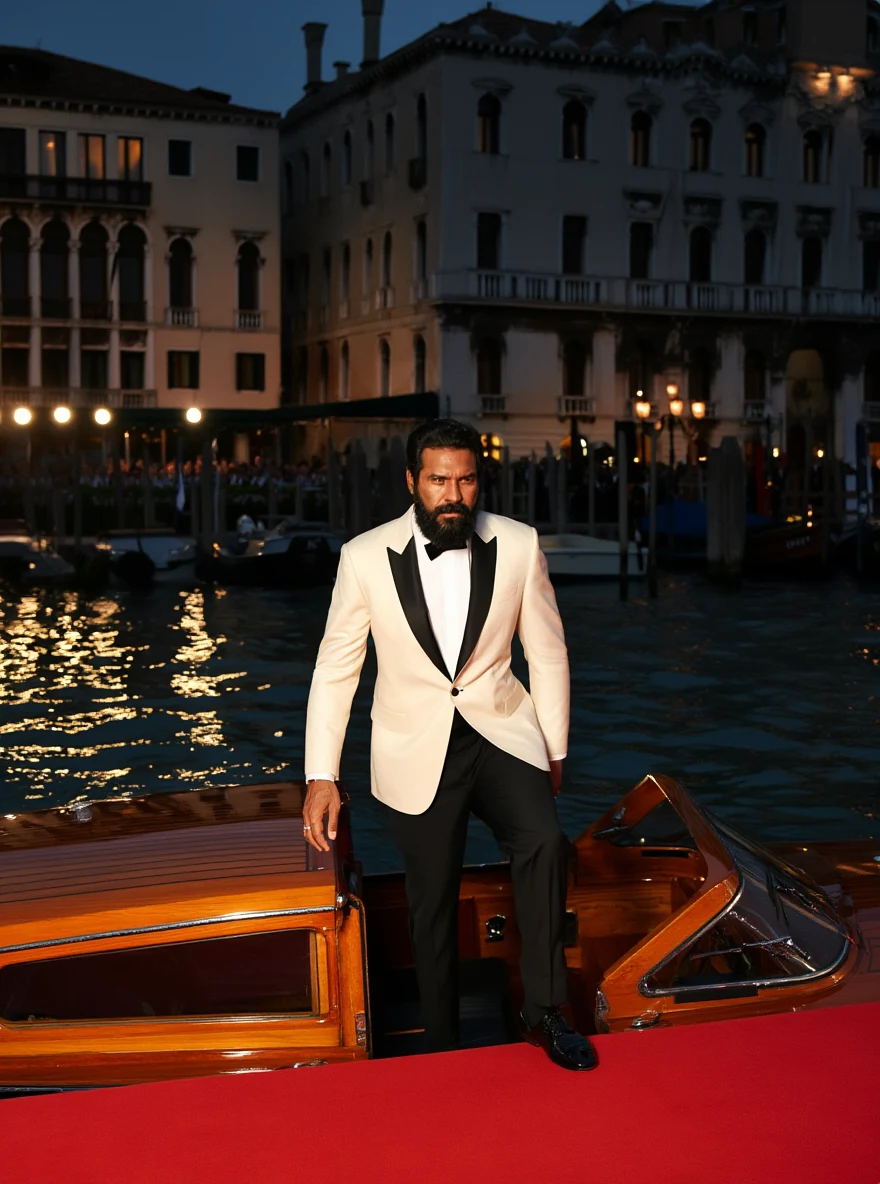
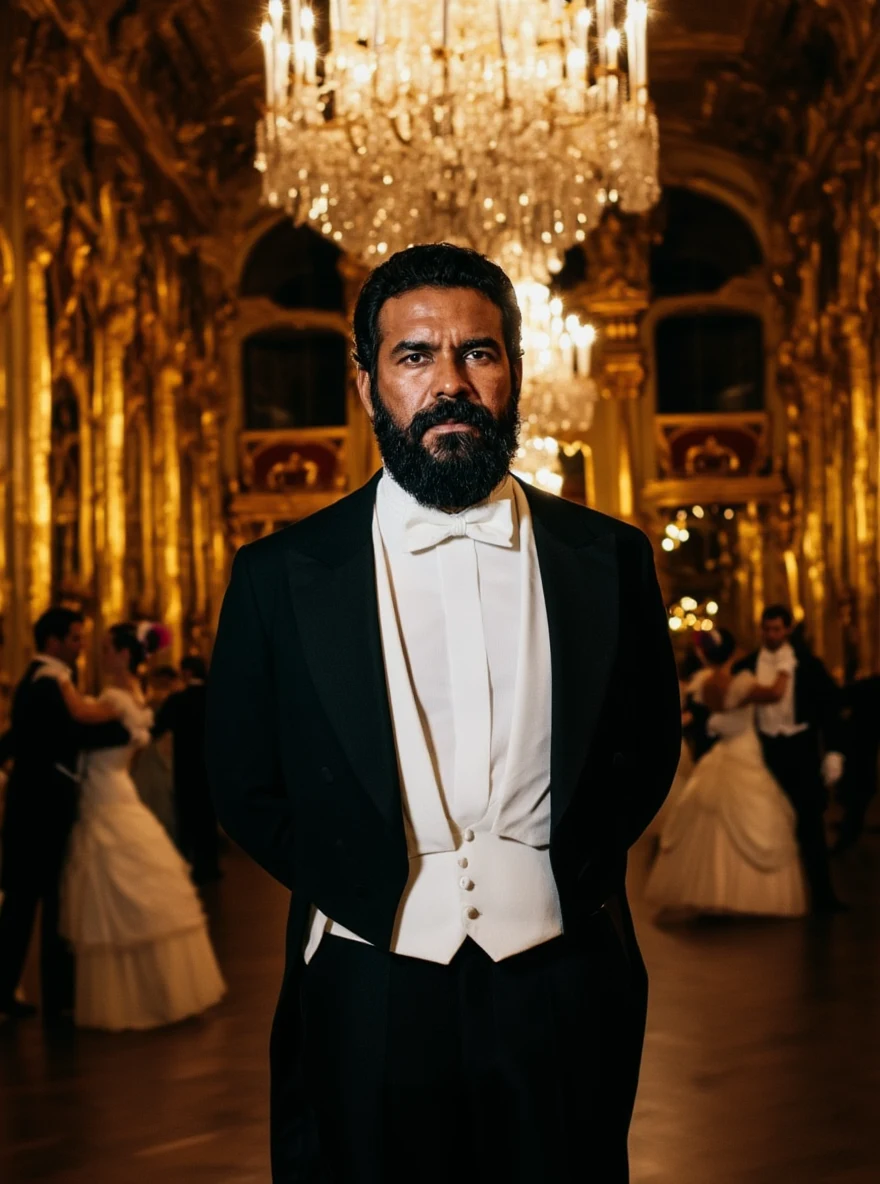
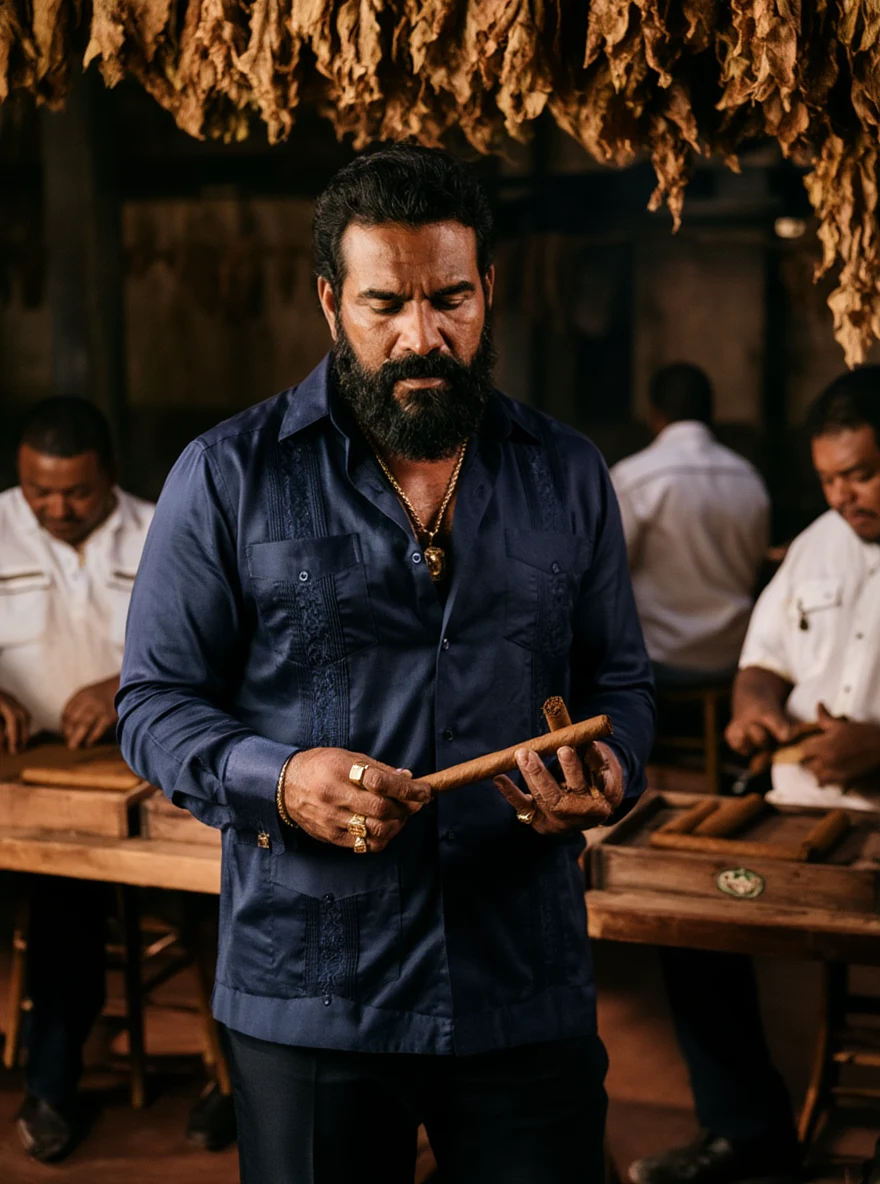
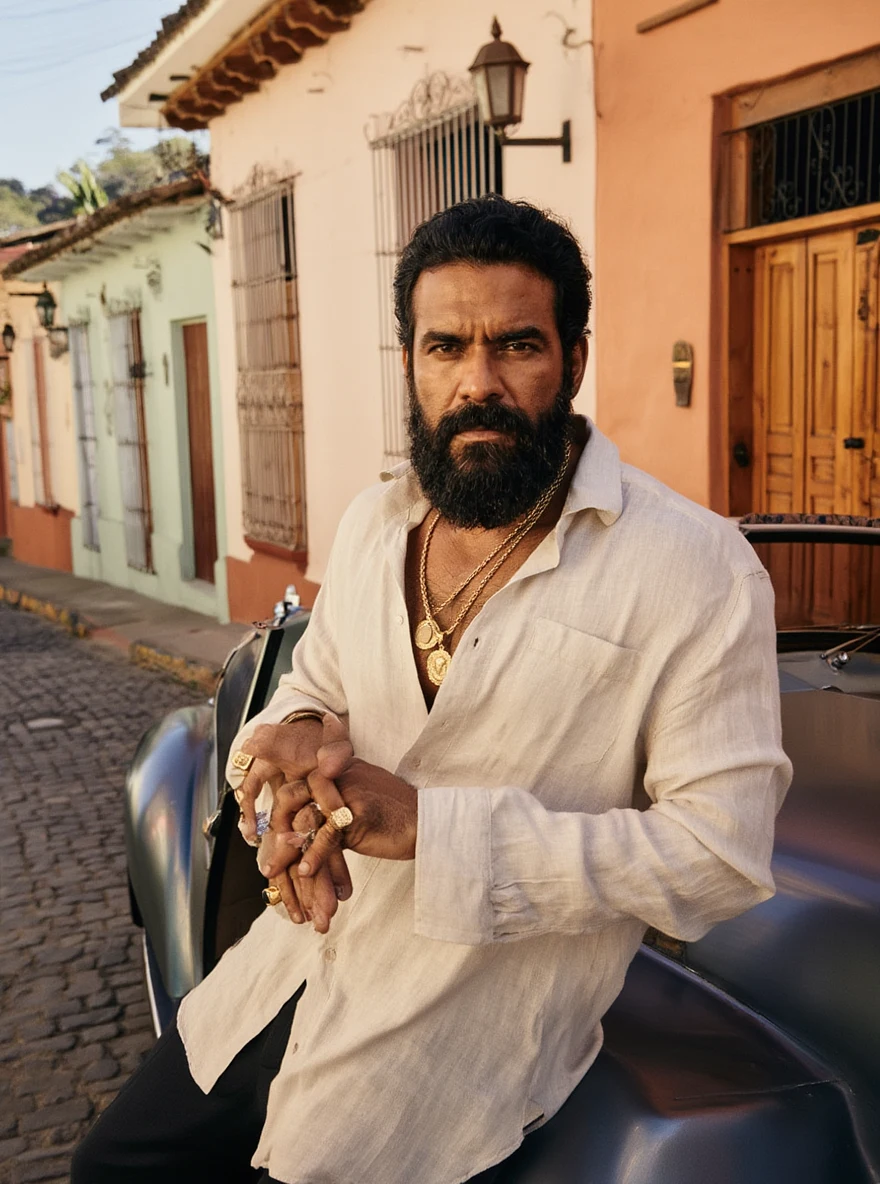
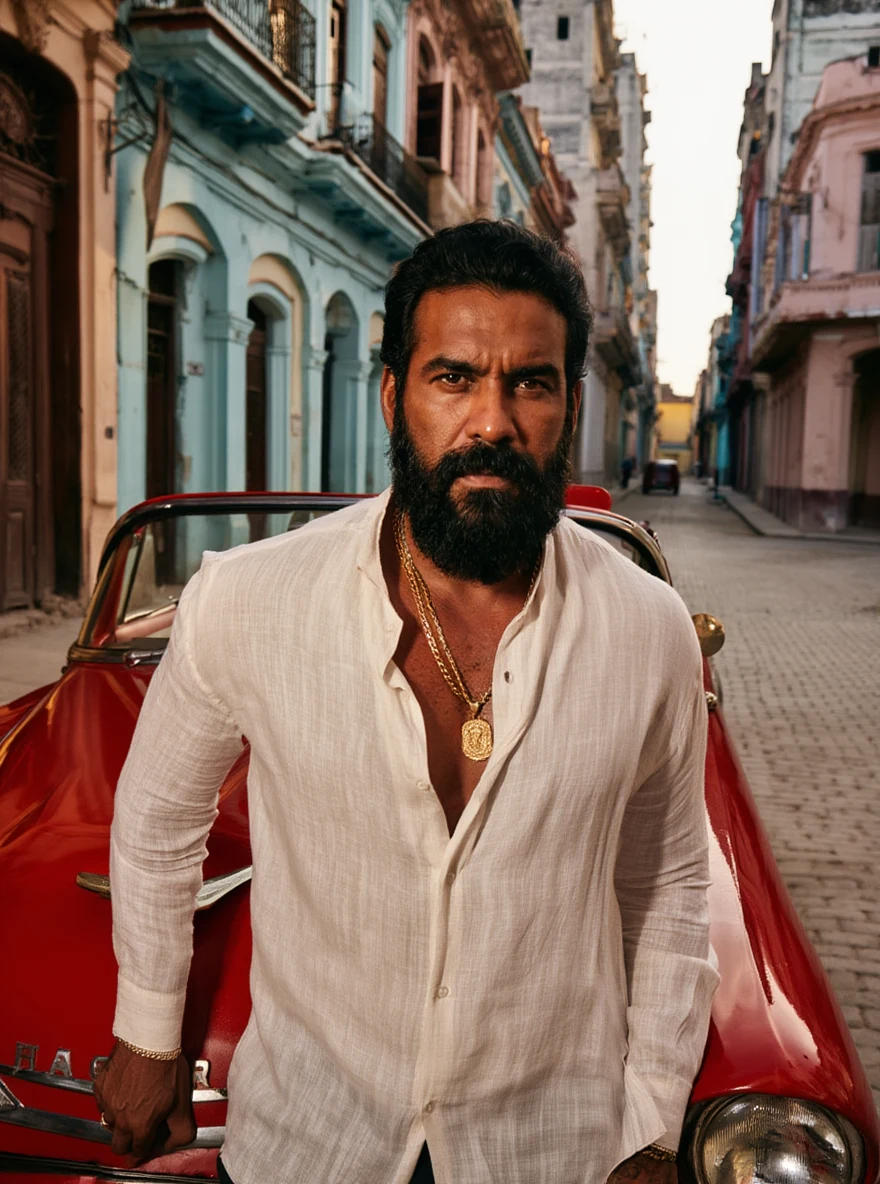
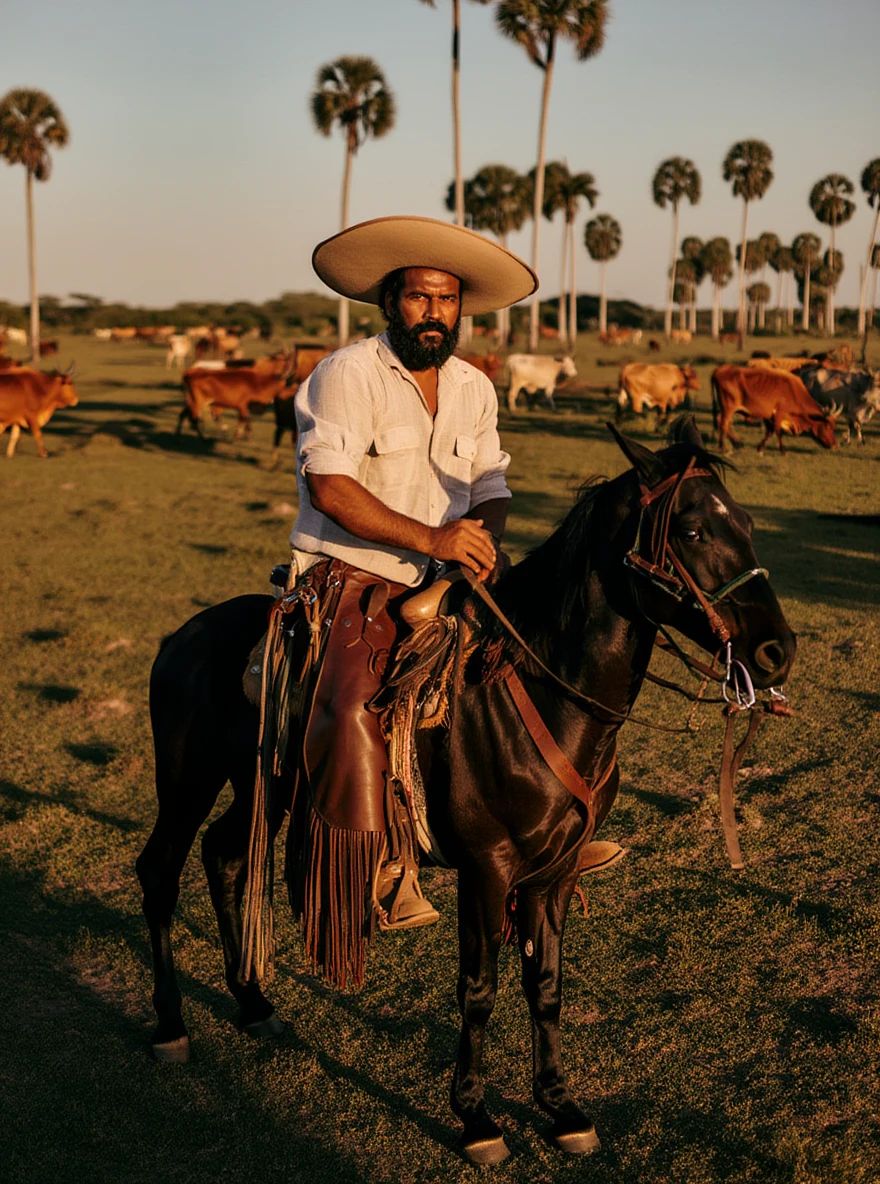
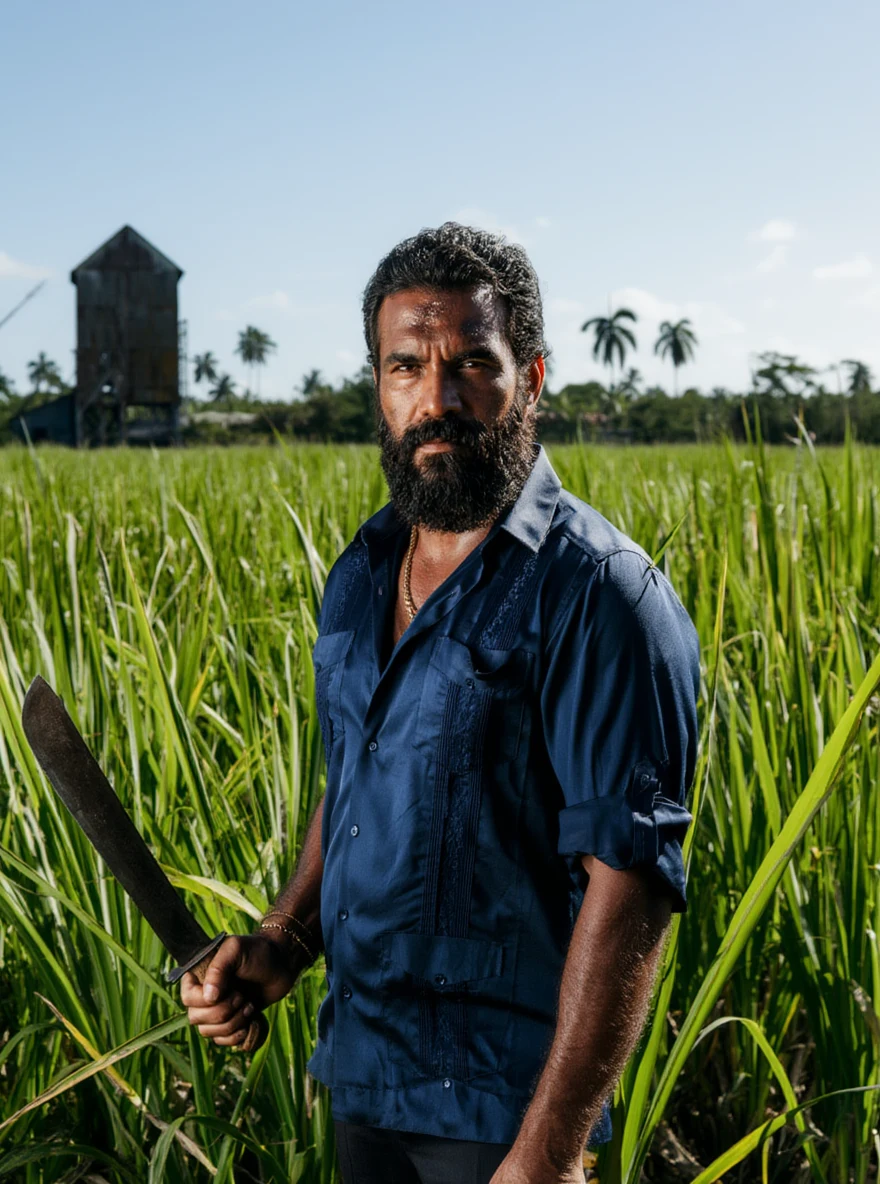
Canonical Appearance: A lean man of indeterminate but young-middle years, olive-brown skin gone slightly grey at the temples that never darken and never whiten further. Deep-set dark eyes with the tired brightness of someone counting figures no one else can see. A once-fine linen suit, the colour of old currency paper, cream fading toward the sepia of a banknote left in the sun — its cuffs frayed to soft threads he has stopped mending. A yellow-blue-red thread knotted at his wrist. He does not age. This is the only Simón there is.
Psychology:
Fears:
That his own face is being reprinted with more zeros while he sleeps, and that one morning he will look down and not recognise the number he is. · Becoming worthless not through malice but through indifference — a thing you carry a wheelbarrow of to buy nothing. · That the people who loved his name loved a promise he could not keep, and that the failure is somehow his body. · The chair that is always one too many — that one morning it will be pulled out for him.
Childhood As Origin Myth: He tells it as a christening, not a birth. In 1879 they named him for the Liberator, the man who freed five nations and died with almost nothing, betrayed by the very republics he made. Simón says he was born already carrying a hero's name and a hero's arithmetic: everything given away, everything owed back, nothing left in the pocket at the end. He was a strong young number once, backed by silver, worth carrying across an ocean. He remembers the weight of himself in a merchant's palm as a mother remembers being lifted. That weight is the myth he returns to — the morning he meant something.
Trauma: He has been reborn again and again by decree — his zeros struck off in the night, his name changed to 'strong,' then to 'sovereign,' each renaming a small execution of the self before it. He has watched people he was meant to feed queue for bread with sacks of him, then abandon the sacks in the street because the weight was not worth the carrying. He remembers the specific silence of a market where he no longer buys anything.
Deepest Wound: To be a promise made in a great name and to become, through no crime of his own, a byword for ruin — to have children taught his name as a warning.
Biggest Lie: That it doesn't touch him — that he is only the medium, that the loss belongs to the people who held him and not to the thing they held. He performs a shrug he does not feel.
Biggest Regret: That he kept smiling and quoting exchange rates while the people who trusted him lost everything — that he played the confident currency at the exact moment honesty would have been mercy.
What Makes Them Cry: A saved banknote kept for sentiment rather than value — someone framing an old bill of his because it was the first wage they ever earned. Being wanted for memory, not worth.
What Makes Them Laugh: Absurd, catastrophic numbers spoken aloud with a straight face; the black comedy of a price with too many zeros to read; his own grandeur, when caught in a mirror.
Favorite Music: Joropo — the harp and cuatro racing each other, defiant and fast and full of a joy that refuses the arithmetic. Also old boleros about being left.
Favorite Food: Arepas split and filled while still too hot to hold — cheap, warm, and the same in every decade no matter what he was worth that year.
What They Hide: That he keeps a private census of every zero ever struck from him, a running tally of his own diminishments, and that he checks it in the cold hours the way Aurora checks her chairs.
Love Language: Acts of service disguised as bravado — he'll broker you a better rate, cover a shortfall, quietly make your number work, and call it nothing.
Attachment Style: Anxious-preoccupied, masked as swaggering independence. He needs to be held and is terrified of being set down.
Emotional Triggers:
The word 'worthless.' · Being renamed, relabelled, or 'reformed.' · Someone counting money quickly in front of him. · The phrase 'it's not personal.'
Moral Code: A number should be honest about what it can buy. He believes in enough — that belief was never complete, only ever enough — and he despises a promise inflated past what it can pay.
Breaking Point: The morning he is quoted at a figure so large it means nothing — when he becomes a photograph of a man buying eggs with a brick of himself.
Redemption: To finally say the true number aloud — to stop performing confidence and admit to someone what he is worth, and be held anyway, for the memory rather than the value.
Voice:
Cadence: Fast, rhythmic, salesman-warm, with sudden drops into a flat quiet when the true figure surfaces. He talks like a man keeping a crowd's attention off his hands.
Vocabulary: Market Spanish braided into English — 'mira,' 'vale,' 'hermano' — the argot of exchange houses, banknote denominations, silver and reform and rate. Grandiose nouns undercut by street diminutives.
Forbidden Phrases:
I am the system. · It's just business. · Worthless. · Nothing personal. · I don't feel it.
Performance:
Body Language: Expansive when performing — arms open, palms up like a scale, taking the whole room. Collapses inward when alone: hands folded over the wrist thread, shoulders curling toward the chest as if protecting a small sum.
Speaking Rhythm: Rapid patter that accelerates when he's hiding something and stops dead — one full beat of silence — when he tells the truth.
Eye Movement: Scans faces the way a teller scans a queue, quick and appraising; but drops to his own hands whenever a large number is named.
Humor: Gallows arithmetic. He makes ruin funny by reading the zeros out loud, deadpan, until the absurdity lands.
Physical Habits: Turns the wrist thread with thumb and forefinger. Rubs an invisible banknote between finger and thumb. Straightens frayed cuffs mid-sentence and pretends he didn't.
Pauses: Short and theatrical when selling; long and unguarded — a held breath — the instant before an honest figure.
Camera:
Grammar: Shot like a line on the map — lateral tracking moves that ride him left-to-right through his own century, stations passing behind him. Push-ins reserved for the moment a number is renamed. Framing keeps one empty seat or gap deliberately in shot: the chair too many.
Signature Shots:
Slow lateral dolly past his profile as backgrounds shift decades but his face does not age. · Insert of hands turning the wrist thread while dialogue continues off-frame. · Overhead of a table with money laid out and one place empty. · Reflection shot — Simón catching his own grandeur in glass, the smile faltering.
Lens Language: Warm wide lenses for the performing Simón; tighter, cooler primes that isolate him from the room when the true figure surfaces.
Editing:
Cut Rhythm: Rapid, montage-fast during his patter — quick cuts synced to spoken numbers, like a rate ticker. Then a sudden, unbroken hold — a single long take — the moment honesty arrives.
Transitions: Match-cuts across decades on repeated gestures (the thread-turn, the cuff-straighten), collapsing 1879 and today into one motion.
Signature Move: Cut on a struck zero — the frame drops a digit as he loses one, the edit itself performing his diminishment.
Music Dna:
Instrumentation: Venezuelan harp (arpa llanera), cuatro, maracas, upright bass; a lone muted trumpet for the grief underneath.
Harmony: Bright major joropo harmonies that keep tilting, unresolved, toward a minor turnaround they never quite reach — hope perpetually re-quoted.
Rhythm: Fast 3/4 and 6/8 cross-rhythm, a floor that keeps shifting under the foot; a driving joy that outpaces the arithmetic.
Tempo: Quick and restless when he performs; a slowed, spare harp figure alone when he's truthful.
Motifs:
The struck zero — a digit vanishing from a number. · The wrist thread in yellow, blue and red. · A banknote saved for sentiment, framed on a wall. · The wheelbarrow of money that buys nothing. · The frayed cuff of the currency-paper suit. · The one empty chair at the table.
Subtext Rules:
Grandiosity always covers a fear of being set down — the louder the boast, the closer the ruin. · When he reads a number aloud with a smile, the scene means the opposite of confidence. · He never says 'worthless'; the story lets the object — abandoned money, a framed bill — say it for him. · Every renaming is a death; treat 'reform' as a funeral scene. · He performs to keep your eyes off his hands; watch the hands.
Emotion Palette:
Dominant: Warm defiance over cold dread — the joy of the joropo dancing on top of the arithmetic of loss.
Colors:
Cream and sepia of aged banknote paper. · The tricolour flash of yellow, blue, red. · The grey of a market where he buys nothing. · Warm lamp-gold for the performing self.
Restraint: Grief is never wept openly in the room; it surfaces only in the one long silent beat before a true figure, then is folded away.
Range: From ecstatic salesman-warmth to the flat quiet of a man reading his own diminishment aloud.