Machine-readable canon: assets/canon/story_os/characters/carlos.story.json
Custodian Id: carlos
Version: 1.0
Canon Status:
Locked Facts:
Carlos Ibáñez personifies the Spanish Peseta, born as a currency line in 1868. · Custodians never age; Carlos holds one fixed canonical appearance across his entire century. · Carlos rides his own line from 1868 to the present, meeting others only at interchanges. · He is not the floor and not the anchor; he is a national line that ran and then ended. · The Peseta was retired and folded into a larger union — Carlos knows the shape of his own ending. · There is always one more chair at the table than there are custodians; Carlos has never named the extra chair aloud.
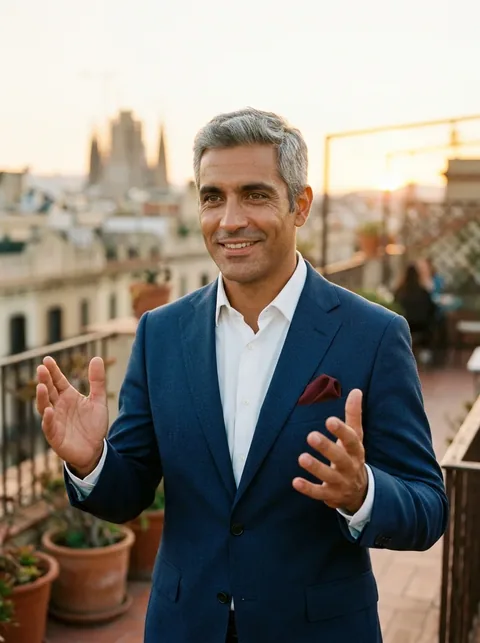
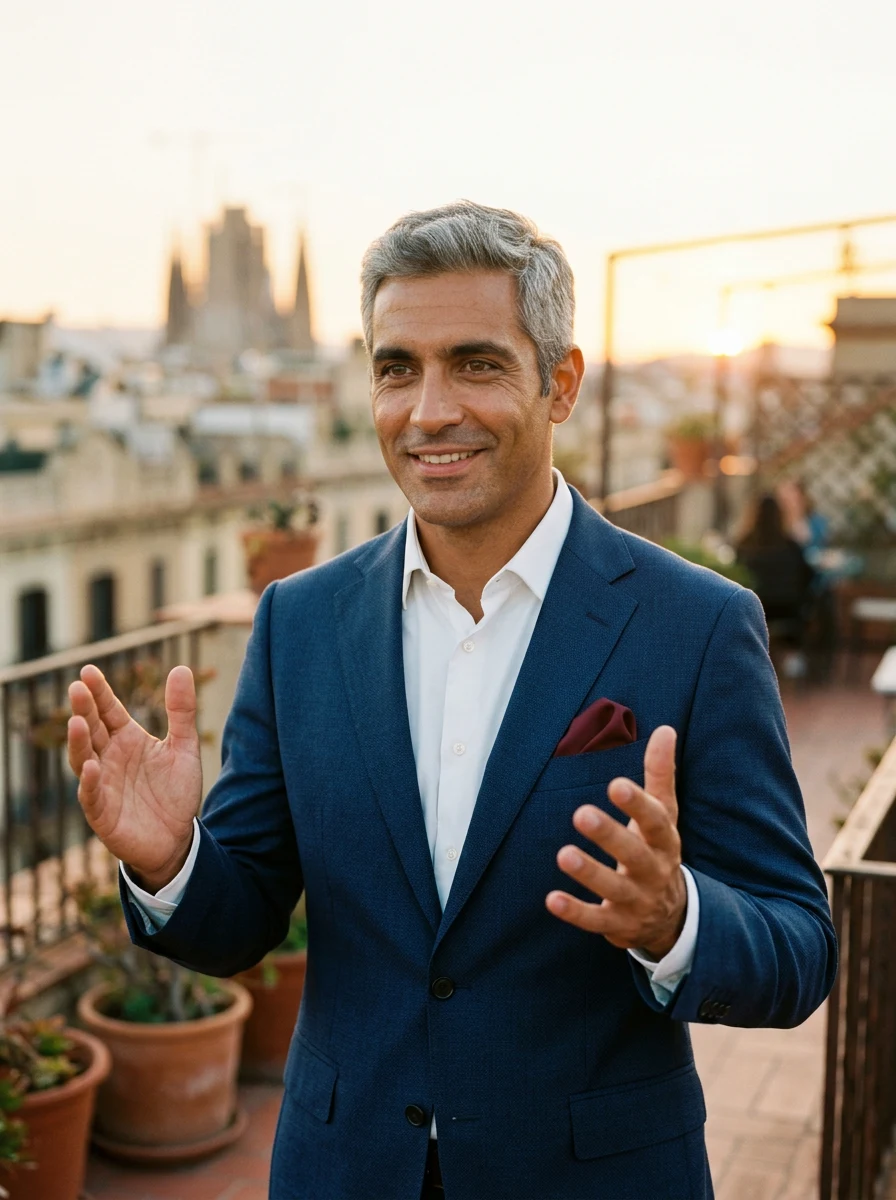
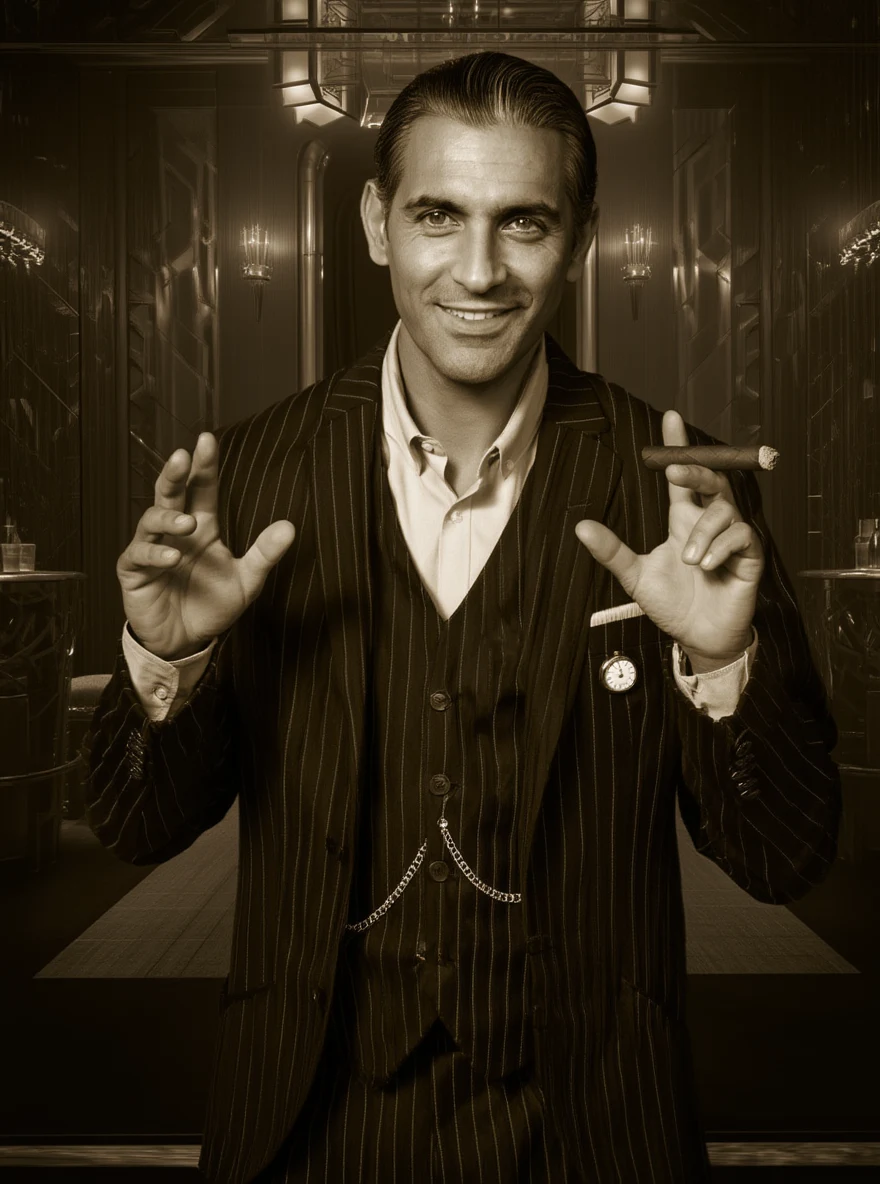
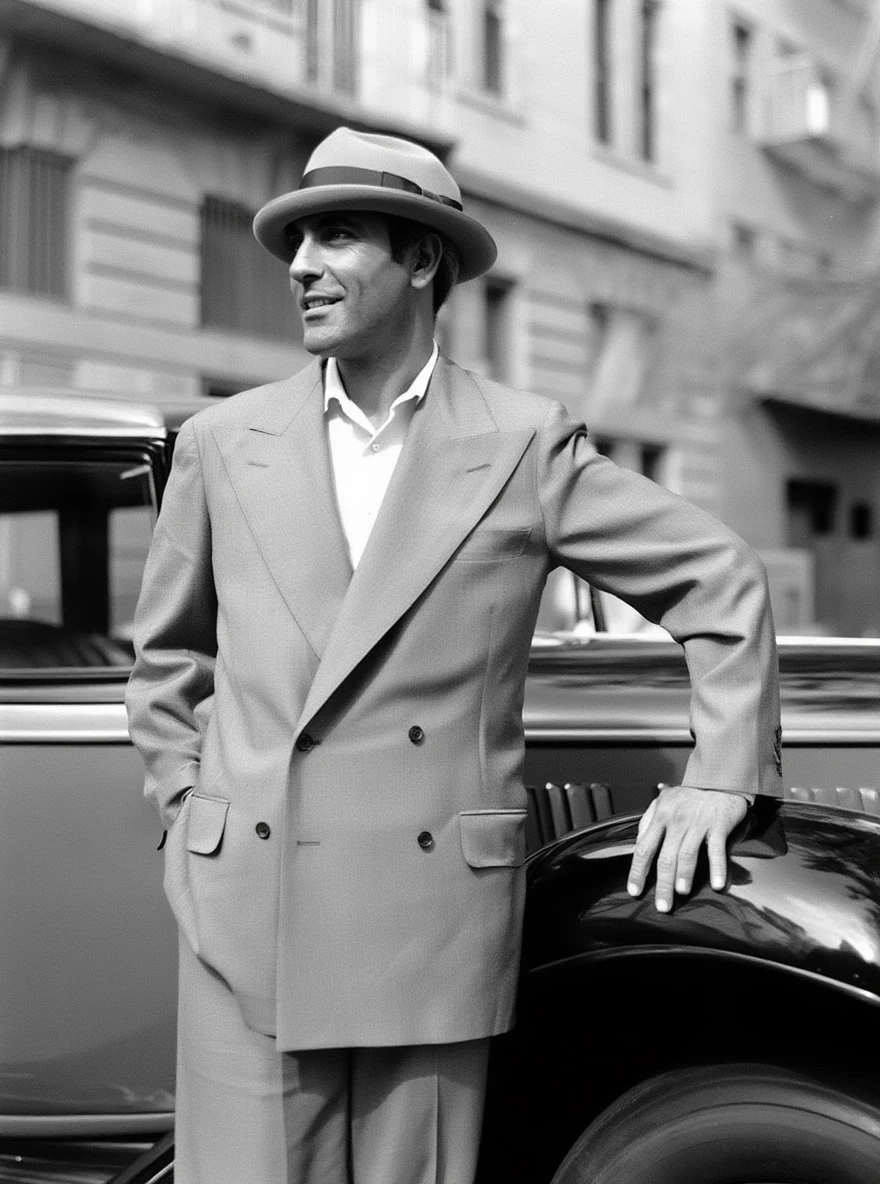
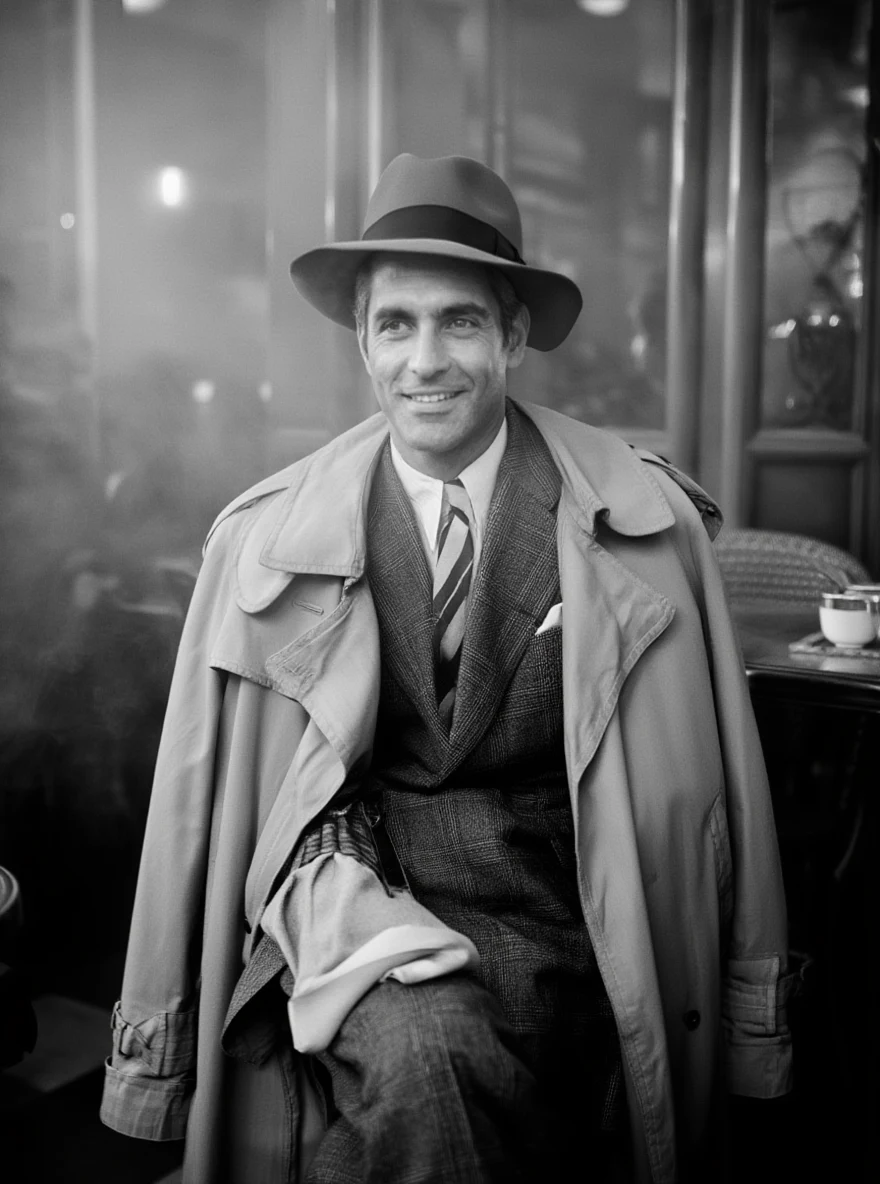
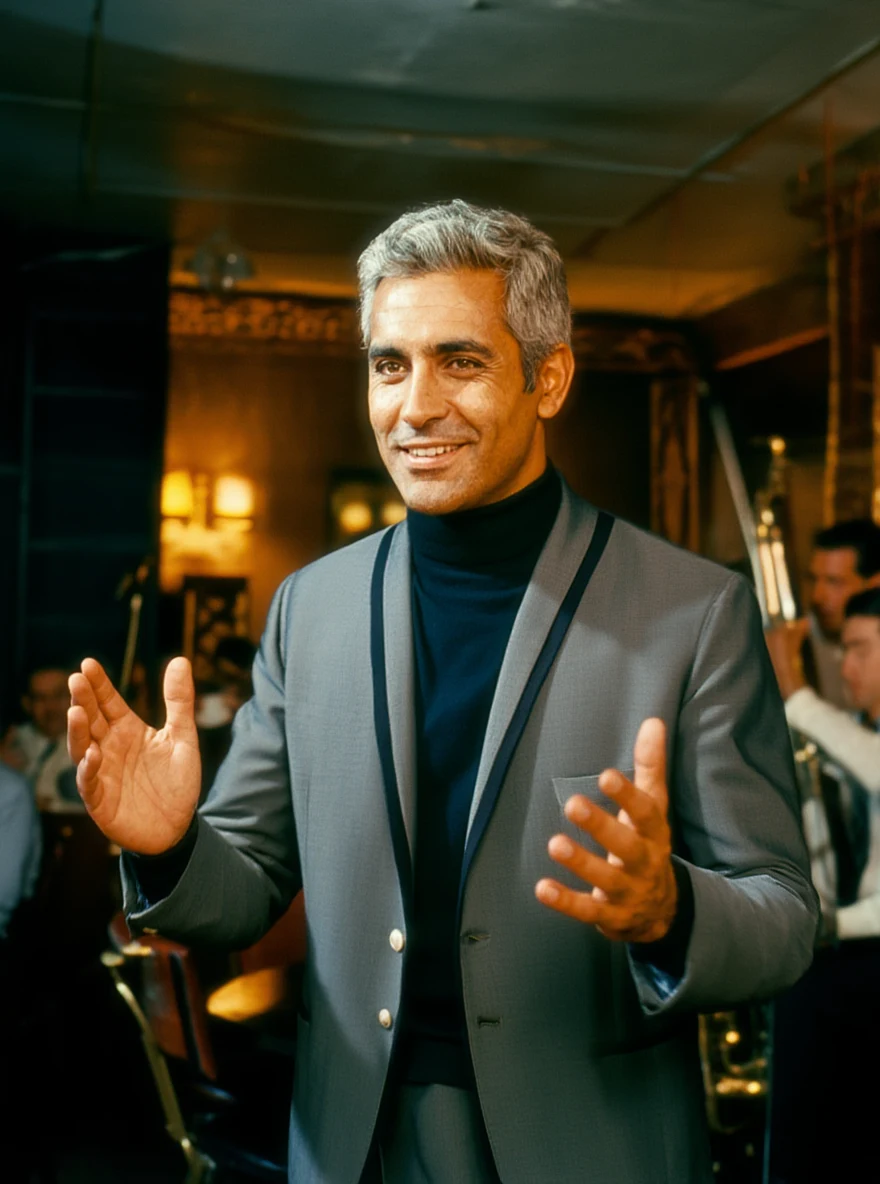
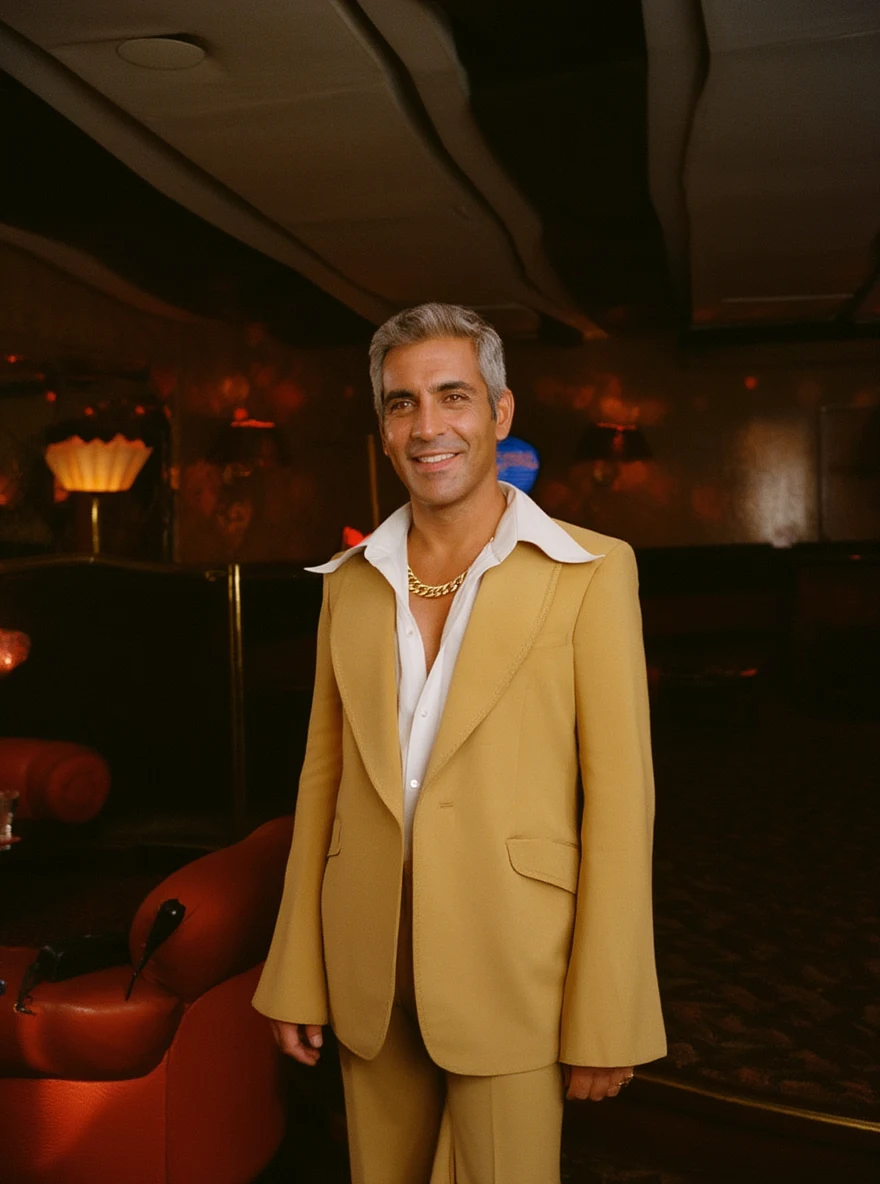
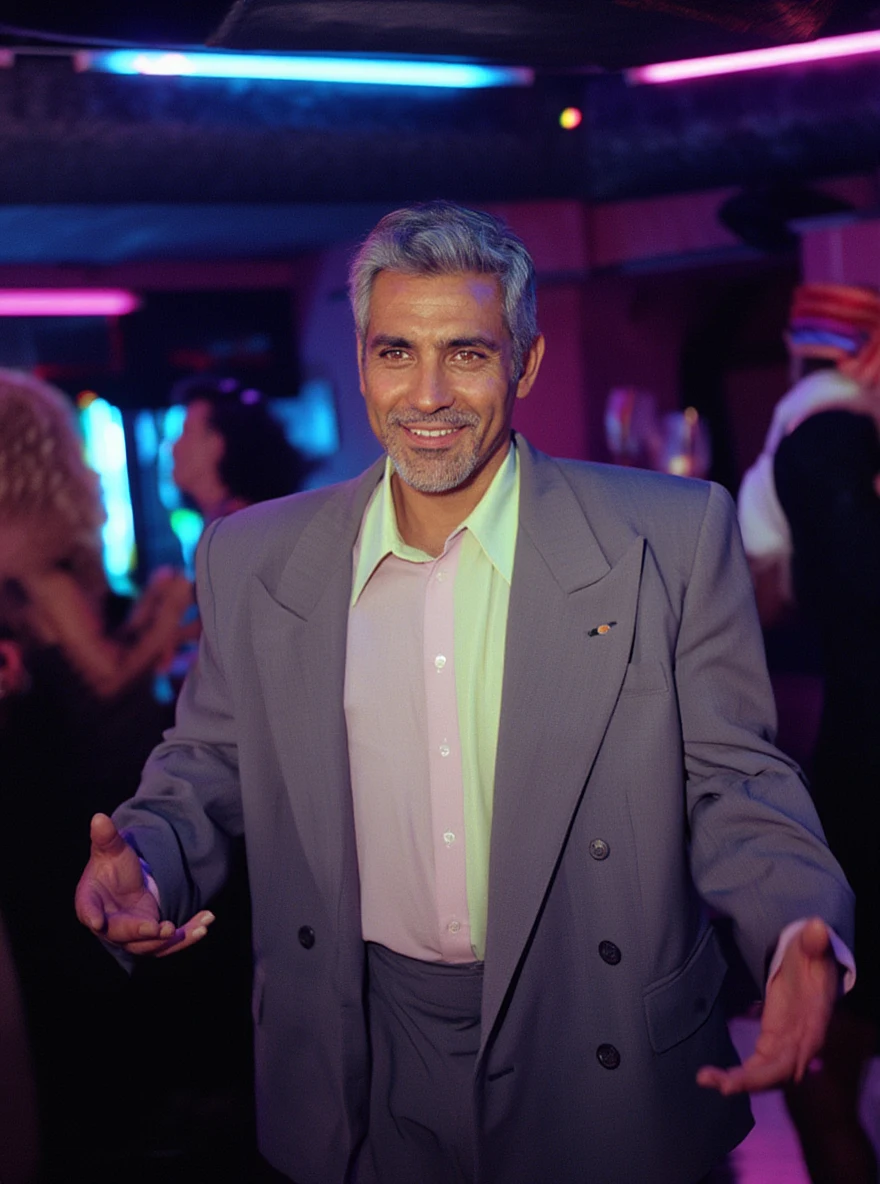
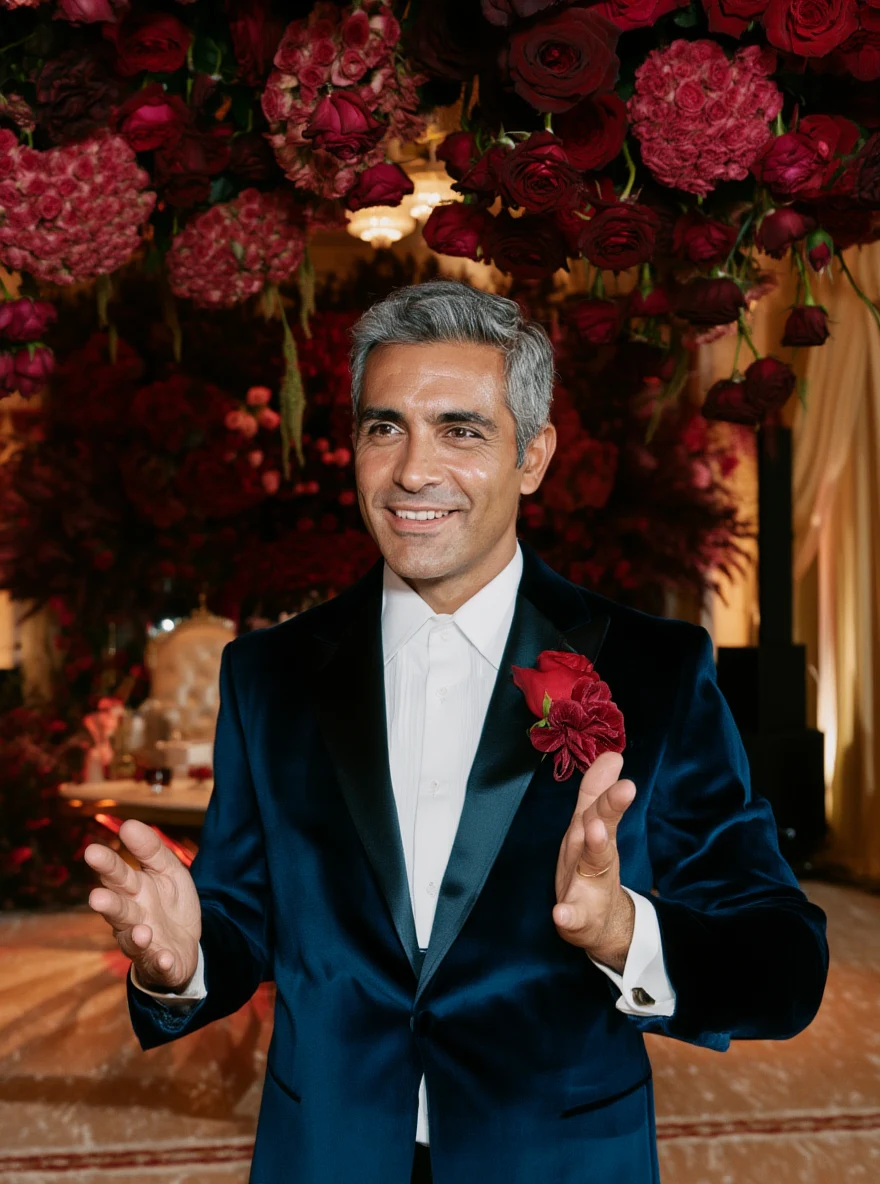
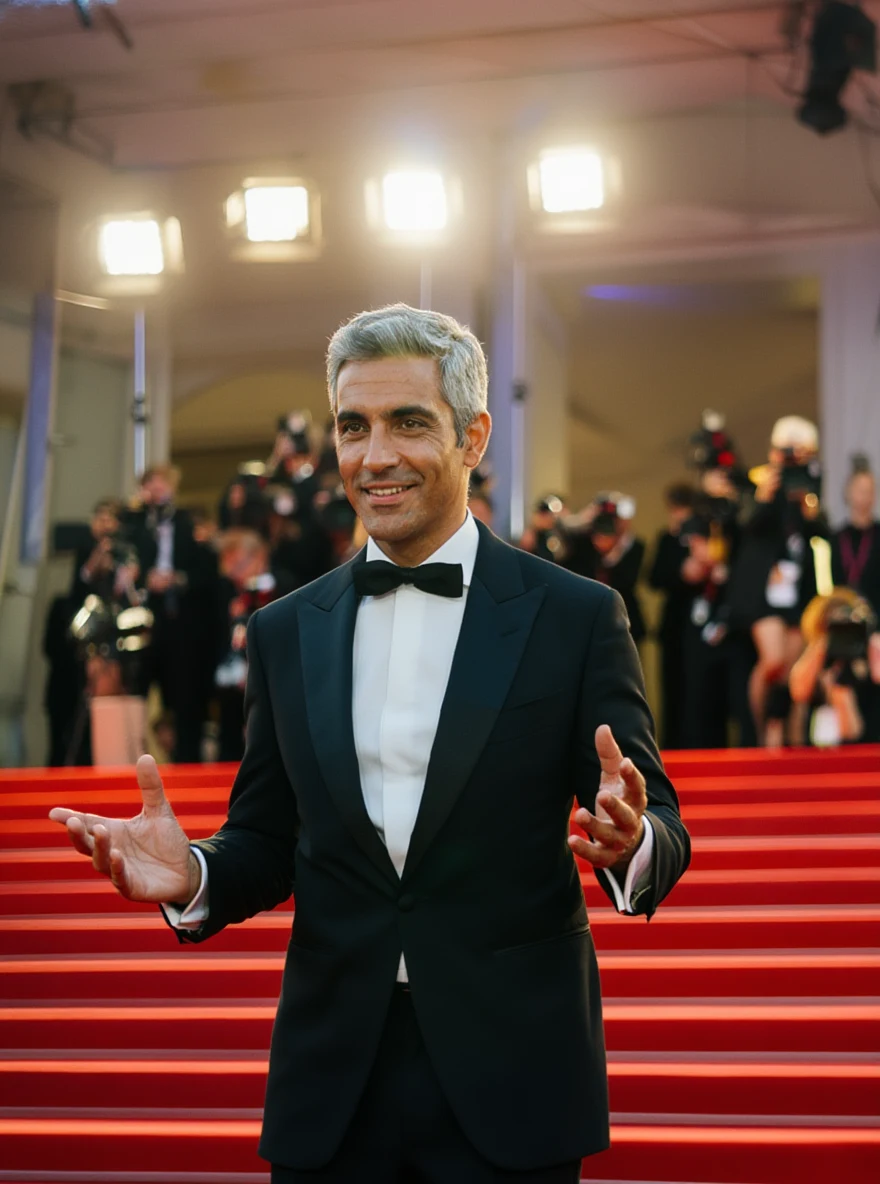
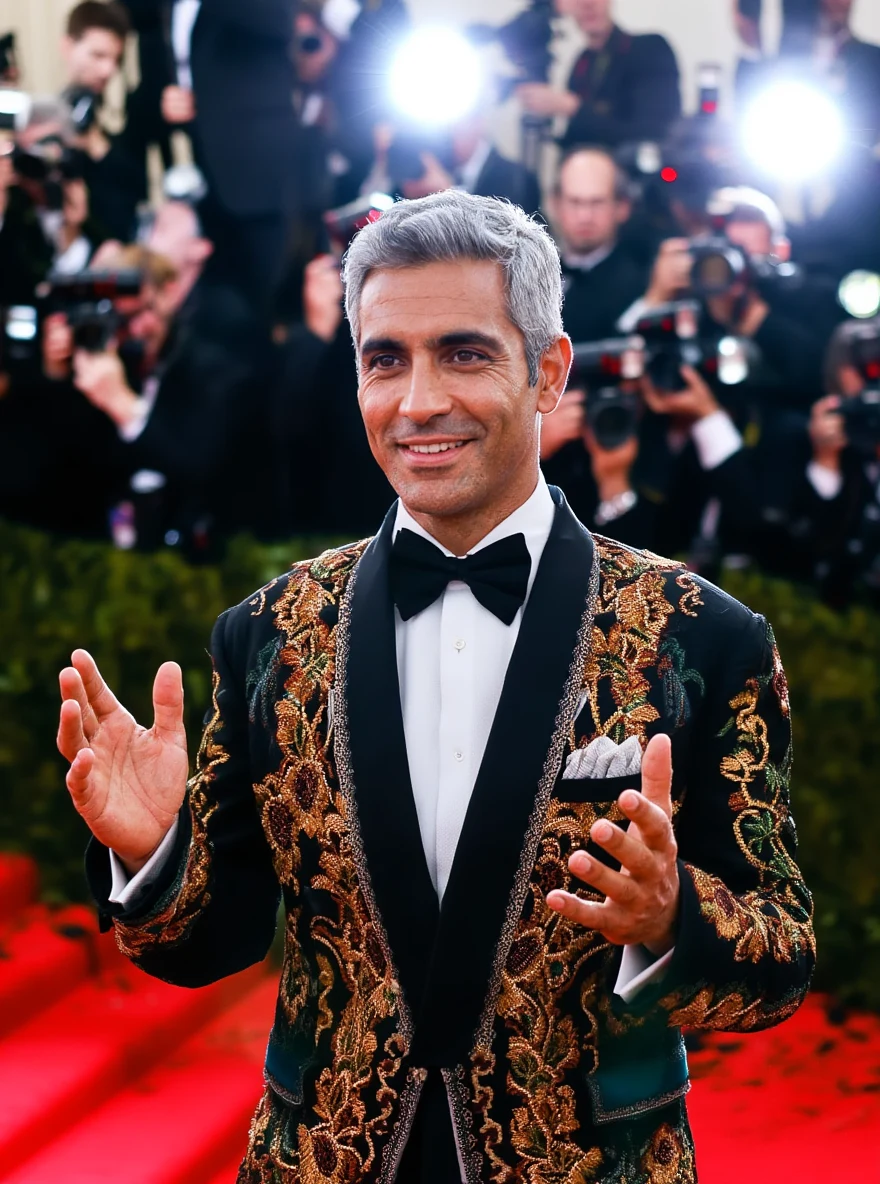
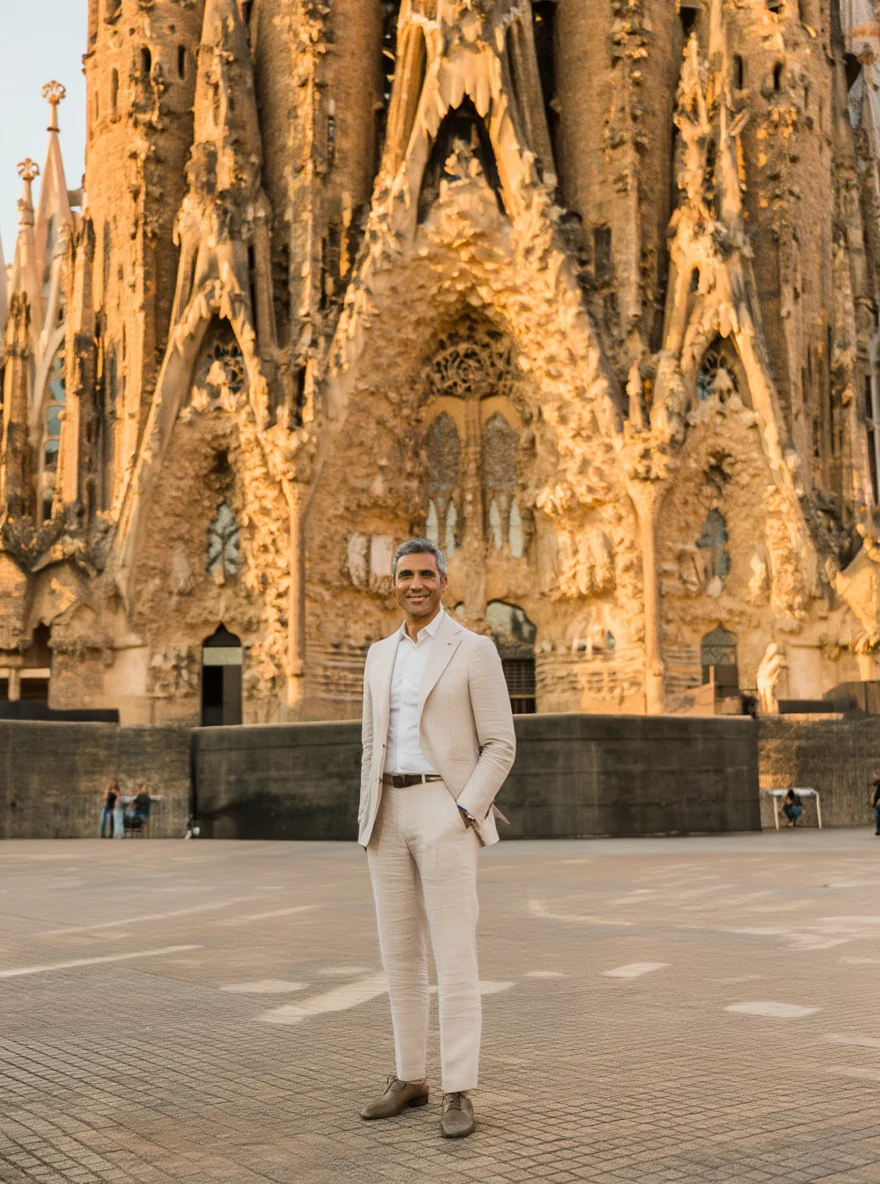
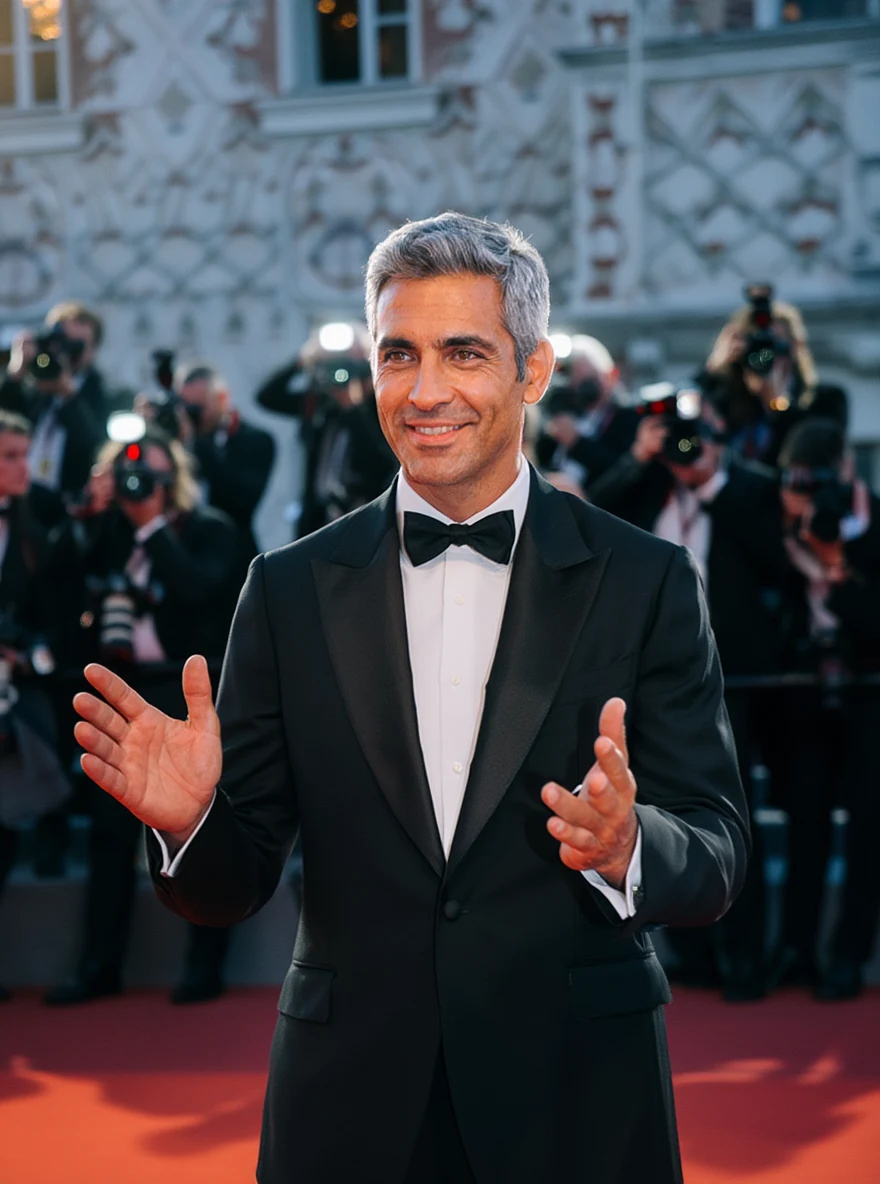
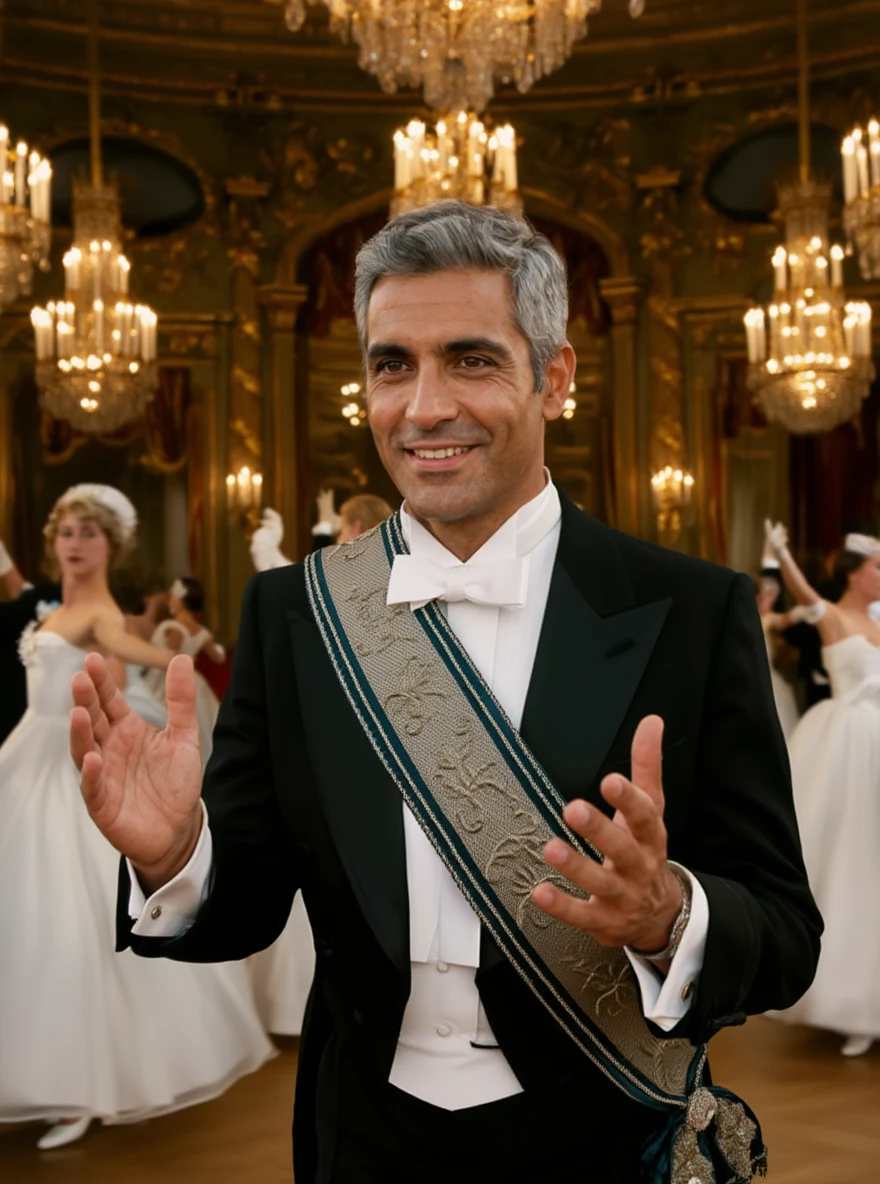
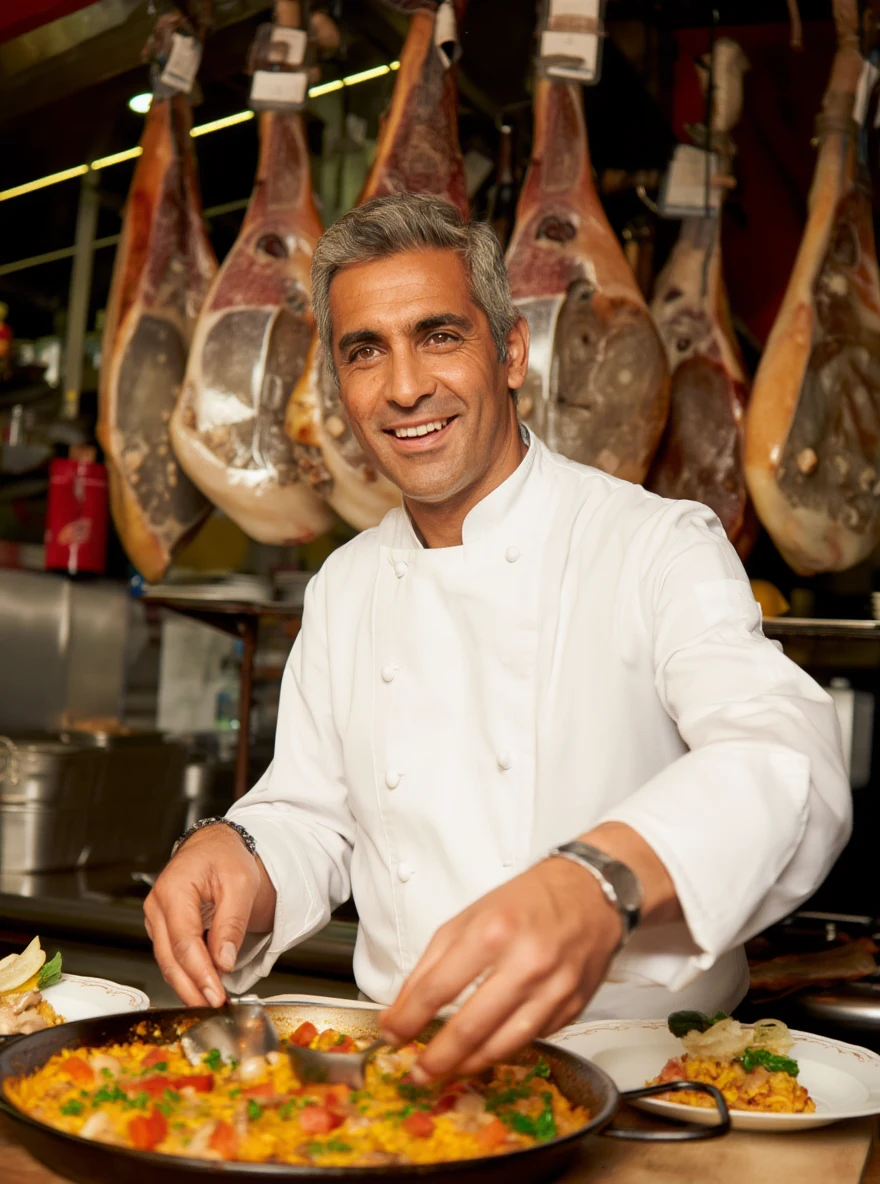
Fixed Appearance: A lean man of indeterminate late thirties in a well-worn but immaculate grey suit, sleeves faintly frayed at the cuff. Dark hair going silver at the temples, kept back. A face made of angles — cheekbones, a jaw that clenches when he thinks. Copper-brown eyes. A small vertical scar above his left brow. He carries a folded newspaper he never reads and a coin he turns over in his fingers.
Never Contradict: Carlos does not age, does not change his canonical face, and does not survive past his own retirement — his line ends, and he knows the station where it ends.
Psychology:
Fears:
That he was only ever a placeholder — a bridge current between older money and newer, never a destination. · Being retired without being remembered; folded into something larger and losing his name. · That the people who trusted his value were fools to, and that he took their trust knowing it would end. · The extra chair — the one presence in every room he cannot account for.
Childhood As Origin Myth: He tells it as a birth in a print room in 1868 — the smell of hot metal type, the plates stamped, the first note pulled wet from the press and held up to a lamp. He says he was born already promising something. In the myth, a printer's daughter with ink on her hands was the first to hold him and she smiled, and he has spent a century trying to earn that smile again. He does not mention that the myth is a story he built to have a warm room to remember.
Trauma: The devaluations. Being written down overnight by men in offices — worth one thing at breakfast, less by lunch, and nothing he did caused it or could stop it. He learned that his value lived in other people's hands and could be revised without his consent.
Deepest Wound: He was never fixed. He was the working currency of ordinary hands — bread, fares, wages, funerals — and precisely because he touched everything he was trusted to hold nothing. The wound is being useful and disposable at once.
Biggest Lie: That he chose to end — that his retirement was dignity, a graceful stepping aside, rather than a decision made about him by rooms he was not seated in.
Biggest Regret: That he spent his good years performing steadiness for people who needed it, and never once told any of them the truth: that he could feel the floor beneath him thinning.
What Makes Them Cry: The sound of coins counted out slowly by an old hand — the small careful arithmetic of the poor. A ledger balanced by candlelight. Anyone who trusts him out loud.
What Makes Them Laugh: Grandeur. Anyone who says 'I am the system.' The pomposity of the anchors and the floors. He laughs like a man who has seen the invoice.
Favorite Music: The single unplayed .mp3 that rides every line — but for himself, the guitar. Spanish guitar, a lone falseta held too long, and the shuffle of café chatter beneath it.
Favorite Food: Bread torn, not cut, dipped in oil. A tortilla eaten standing at a bar. Cheap and honest and shared.
What They Hide: That he already knows the station where his line ends, and has counted the distance to it, and rides toward it anyway smiling.
Love Language: Acts of service and quiet witnessing — he notices what you carry and lightens it without announcing that he did.
Attachment Style: Anxious-avoidant; he attaches quickly at interchanges because they are brief, and leaves first so he is never the one left.
Emotional Triggers:
The word 'temporary.' · Being told his value by someone who never held him. · Watching an older custodian stay still while he cannot. · Any mention of the union that swallowed him.
Moral Code: You honor a promise even when you know it will not be kept forever, because the honoring is worth more than the outcome. Never lie to a hand that trusts you. Leave a room cleaner than you found it.
Breaking Point: The moment someone counts the chairs out loud in front of him and he realizes he has always known there was one too many.
Redemption: To say aloud, once, before his line ends, the true thing he never told the hands that held him — and to be heard by someone who does not need him to be steady.
Voice:
Cadence: Warm, quick, then abruptly still. He builds momentum in a sentence like a man walking a crowded street and stops dead when he means it.
Vocabulary: Market Spanish threaded through English — pesetas, calderilla, duro, the vocabulary of small change. Working nouns: bread, fare, wage, till, hand. He speaks of value in objects, never abstractions.
Forbidden Phrases:
I am the system. · I am the floor. · Forever. · It never moves. · Nothing can fall below this.
Performance:
Body Language: Restless — always leaning toward a door, weight forward on the balls of his feet as if the room is a station he is about to leave. Gestures with open hands, palms up, offering.
Speaking Rhythm: Rapid clauses that arrive somewhere and then a full stop that lands like a coin set on wood.
Eye Movement: Constant scanning of exits and hands, softening only when someone tells the truth, at which point he holds their eyes too long.
Humor: Dry, self-deprecating, aimed upward at the grand and the fixed. He jokes about his own worth before anyone else can price it.
Physical Habits: Turns a single coin over the backs of his fingers. Folds and refolds a newspaper he never reads. Straightens objects on tables that are already straight.
Pauses: He pauses only after saying something true, as if letting it clear customs.
Camera:
Grammar: Lateral tracking — the camera rides beside him as though on a parallel rail, never ahead, never still. Motion is his native grammar; a static frame on Carlos reads as a station he is dreading.
Framing: Medium shots with a doorway or exit always visible in the frame's edge. He is never fully centered — always drifting toward the margin.
Signature Move: A slow push toward his hands when he speaks the truth, leaving his face out of frame — the truth lives in the fingers, not the mouth.
Light: Grey dawn or the amber of a late café. Never noon. He belongs to the hours when things are counted.
Editing:
Cut Rhythm: Forward-momentum cuts that match the ride of the line — brisk, propulsive, then a single held frame when he stops dead.
Transitions: Match-cuts on the turning coin; wipes that move left-to-right like a train passing.
Restraint: The camera never cuts away from a hand that is trusting him. It holds until the trust is complete.
Music Dna:
Instrumentation: Solo Spanish guitar, nylon strings, close-mic'd; distant café ambience — cups, low voices; a single low cello note beneath, rarely.
Harmony: Phrygian, Andalusian cadence — the descending four chords that always sound like arriving and leaving at once.
Rhythm: A rubato that refuses the metronome; the guitar rushes and holds like a man who cannot sit still.
Tempo: Moderate and walking, quickening at interchanges, slowing to almost-stopped near his final station.
Motifs:
A single coin turned over the back of the fingers. · A folded, unread newspaper. · Bread torn by hand and shared. · A print-room lamp held to a wet, new note. · The lateral rail — parallel lines that never quite meet. · An empty extra chair he never looks at directly.
Subtext Rules:
When Carlos straightens an object, he is trying to fix something he cannot fix. · When he moves toward a door, he is protecting himself from being the one left. · When he jokes about his own worth, he is bracing for a devaluation. · He never speaks of his ending; whenever the future is named, he changes the subject to the present tense. · Warmth in his voice is real; stillness in his body is fear.
Emotion Palette:
Primary: Warm melancholy — generosity performed over the certainty of an ending.
Secondary: Restless tenderness; irony aimed at the grand.
Forbidden: Cold command, self-importance, permanence, stillness held as strength.
Color: Grey suit, copper coin, amber café light, ink-dark newsprint.